+44(0)161 724 0357 info@sewardrl.co.uk
Exploring the Different Types of Commercial Refrigeration Systems

Exploring the Different Types of Commercial Refrigeration Systems

The commercial refrigeration system is a critical component in many businesses, particularly those in the food and beverage industry. From preserving perishable goods to chilling drinks, these systems play a pivotal role in ensuring that operations run smoothly and efficiently. 

However, not all commercial refrigeration systems are created equal. There are various types designed to meet specific needs and requirements. This article will delve into the different types of commercial refrigeration systems available for business use.

Reach-In Refrigerators

Reach-in refrigerators are perhaps the most common type of commercial refrigeration systems found in many establishments. These units resemble residential fridges but are more powerful and have a larger storage capacity. They come in one, two, or three-door models, allowing for easy access to stored items.

Reach-in refrigerators are ideal for restaurants, cafes, or any establishment that requires quick and easy access to food items. They can be placed directly in the kitchen area for convenience. These units also come with adjustable shelving systems that allow you to customise your storage space according to your needs.

Walk-In Refrigerators

For businesses that require substantial storage space for perishable goods, walk-in refrigerators are an excellent option. As the name suggests, these commercial refrigeration systems are large enough for someone to walk into them.

Walk-in fridges are typically used by supermarkets, hotels, and large restaurants where bulk storage is necessary. They offer ample space for storing large quantities of food items at optimal temperatures. Additionally, they often come with shelving units that can be customised according to your specific storage needs.

Undercounter Refrigerators

Undercounter refrigerators offer a compact solution for businesses with limited space or those who need additional chilled storage close at hand. These commercial refrigeration systems fit neatly under most standard counters (hence their name), making them ideal for bars or small cafes where space may be at a premium.

Despite their compact size, undercounter refrigerators offer ample storage space and operate at the same temperature range as their larger counterparts. They are perfect for storing items that need to be accessed frequently, such as beverages or ingredients for cooking.

Display Refrigerators

Display refrigerators, also known as merchandising refrigerators, are designed to showcase products attractively while keeping them at the right temperature. These commercial refrigeration systems feature glass doors or open-front designs that allow customers to easily view and access the stored items.

These units are commonly used in grocery stores, convenience stores, and bakeries. They come in various sizes and styles, from countertop models to larger floor-standing units. Display refrigerators not only keep products fresh but also help boost sales by enticing customers with their visually appealing presentation.

Choosing the right commercial refrigeration system is crucial for any business in the food and beverage industry. The type of refrigerator you choose should depend on your specific needs regarding storage capacity, space availability, product visibility, and accessibility.

Whether it’s a reach-in refrigerator for easy access to ingredients in a restaurant kitchen, a walk-in fridge for bulk storage in a supermarket, an undercounter unit for space-saving purposes in a small cafe or bar, or a display refrigerator to showcase products attractively in a store – there’s a commercial refrigeration system designed to meet your business needs.

Remember that these systems are significant investments. Therefore it’s essential to consider factors like energy efficiency, durability, maintenance requirements and warranty when making your choice. With careful consideration and planning, you can find the perfect commercial refrigeration system that will serve your business well for many years to come.

Are HFCS Being Phased Out?

Are HFCS Being Phased Out?

Understanding the HFCs Phase Out

High Global Warming Potential (GWP) hydrofluorocarbons (HFCs) have been a significant topic of discussion in recent years due to their environmental impact. As a result, there has been an increasing global push towards an HFC phase out. But what exactly are HFCs and why is there a need to phase them out? This blog post will delve into these questions and more, providing insights into the current state of the HFC phase out.

What are HFCs?

Hydrofluorocarbons (HFCs) are man-made chemicals that are primarily used in air conditioning, refrigeration, and foam-blowing applications. They were introduced as alternatives to ozone-depleting substances in the mid-1990s. However, while they do not deplete the ozone layer, they have a high Global Warming Potential (GWP), making them potent greenhouse gases. In fact, some HFCs can trap thousands of times more heat in the Earth’s atmosphere than carbon dioxide.

Why is There a Need for an HFC Phase Out?

The primary reason for an HFC phase out is their high GWP. The Intergovernmental Panel on Climate Change (IPCC) states that HFC emissions currently contribute to less than 1% of total global greenhouse gas emissions. However, without controls, it is projected that by 2050 this could increase to up to 19%. This is due to their increasing use in developing countries where demand for air conditioning and refrigeration is growing rapidly.

Moreover, unlike most other greenhouse gases which have lifetimes of hundreds or even thousands of years, most HFCs stay in the atmosphere for less than 15 years. This means that actions taken now to reduce HFC emissions can have rapid effects on reducing global warming.

The Global Push for HFC Phase Out

In 2016, more than 170 countries agreed to the Kigali Amendment to the Montreal Protocol, a landmark agreement that aims to reduce the production and consumption of HFCs by more than 80% over the next 30 years. The amendment is legally binding and includes specific targets and timetables for each country to phase down HFCs.

The United States, China, and the European Union – three of the world’s largest producers and consumers of HFCs – have all committed to this phase out. In fact, the EU has already begun implementing its own regulations to phase down HFCs, with a target to reduce them by 79% by 2030.

The Current State of the HFC Phase Out

Despite these commitments, progress towards an HFC phase out has been slow in some regions. In particular, developing countries face significant challenges in transitioning away from HFCs due to lack of access to affordable alternatives and technical expertise.

However, there are promising signs that progress is being made. For instance, several leading companies in the air conditioning and refrigeration industry have started developing products that use low-GWP alternatives to HFCs. Moreover, research into new technologies that could replace or reduce the use of HFCs is ongoing.

The Future of the HFC Phase Out

While there is still a long way to go before we can say that HFCS are being phased out completely, there is no doubt that momentum towards this goal is building. Governments around the world are beginning to implement policies aimed at reducing their use and industry leaders are investing in alternative technologies.

However, for an effective global phase out of HFCS, it will require not just political will but also cooperation between governments, industry stakeholders and consumers. It will also require significant investment in research and development as well as infrastructure upgrades.

Ultimately though, phasing out HFCS is a crucial step towards mitigating climate change. As such, it is a goal that we must strive towards if we are to secure a sustainable future for our planet.

Ammonia / Glycol plant – Seafood Factory

Ammonia / Glycol plant – Seafood Factory

Ammonia / Glycol plant – Seafood Factory

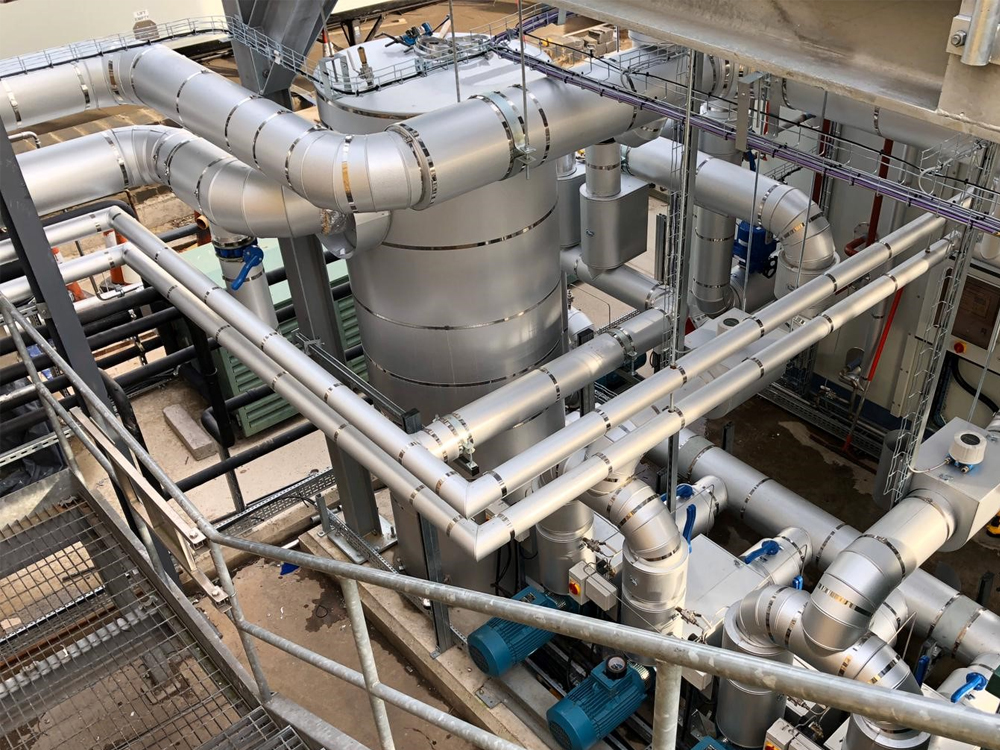
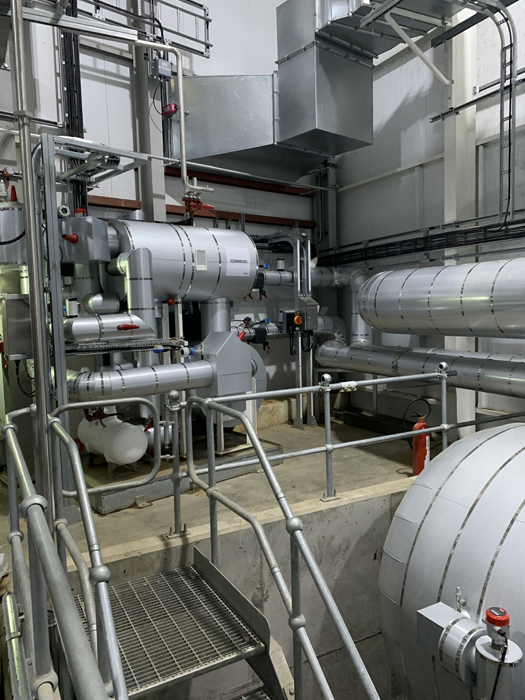
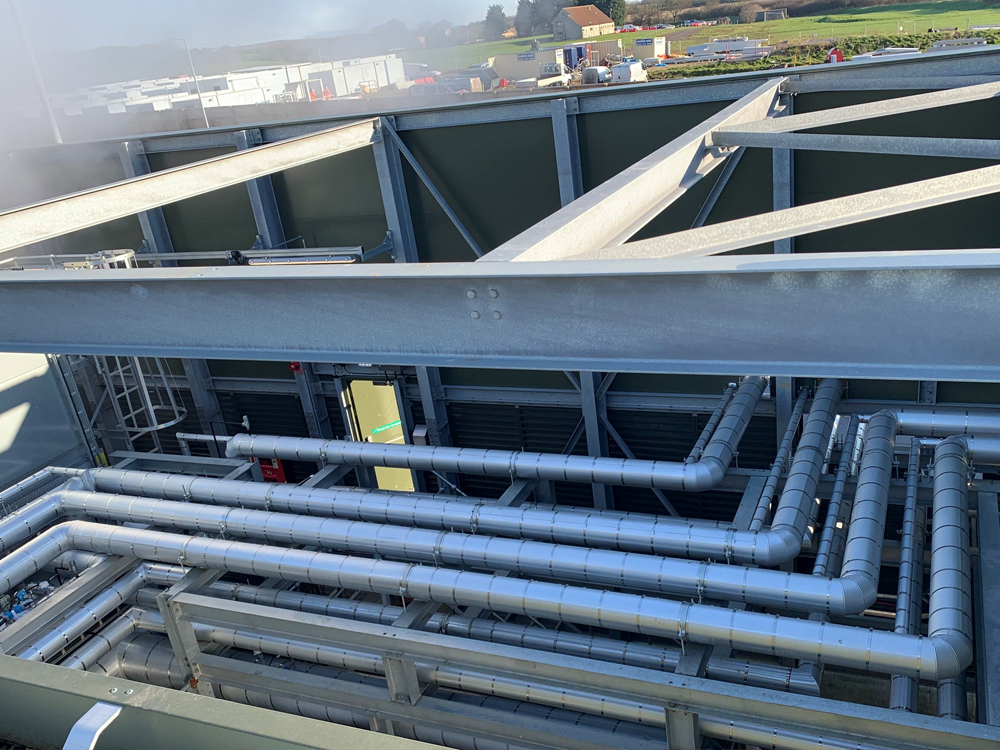
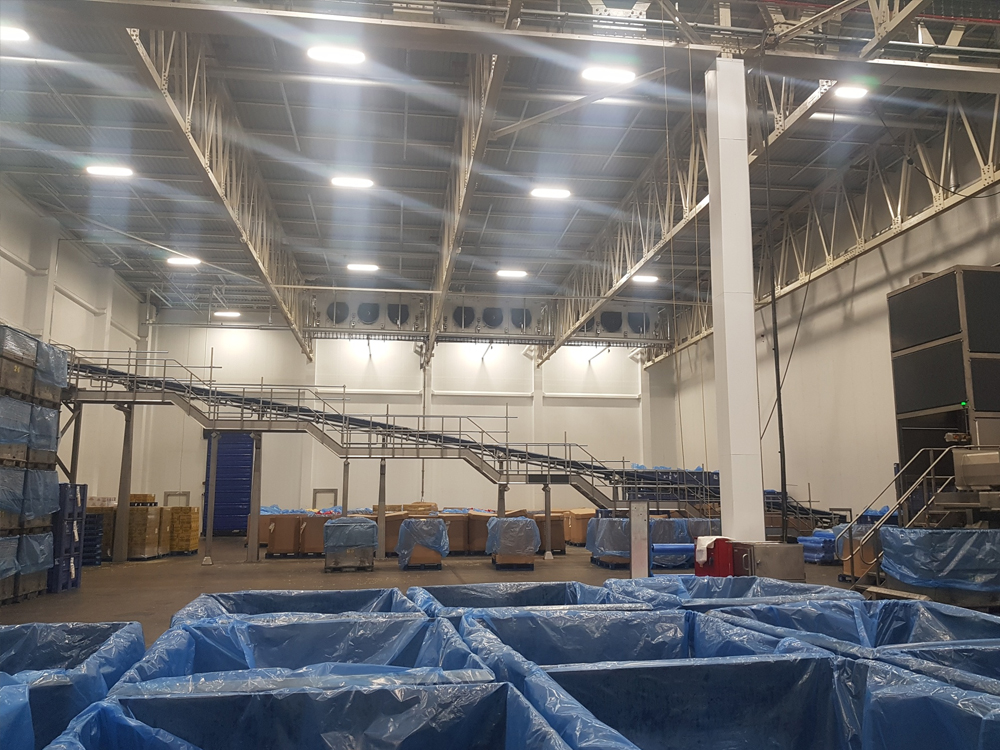
Our client is a leading supplier of chilled fish to the UK retail market and we were awarded the installation project to install a new Ammonia / Glycol system to serve evaporators, an air handling unit and various processes within the production facility.

The works involved included;

  • Upgrading the AHU in the prep area to provide cooling and pressurisation to the high care factory area to +8°C.  
  • Glycol evaporators were installed in a Despatch area to maintain a temperature of 0-2°C, including future connections for an evaporator in a loading bay.
  • Two Capcold HFC units removed and added onto the glycol system along with a falling film chiller and the facility to replace all of the existing HFC units by way of isolation valves fitted to the main glycol flow and return headers (Future).

Main plant items installed were as follows;

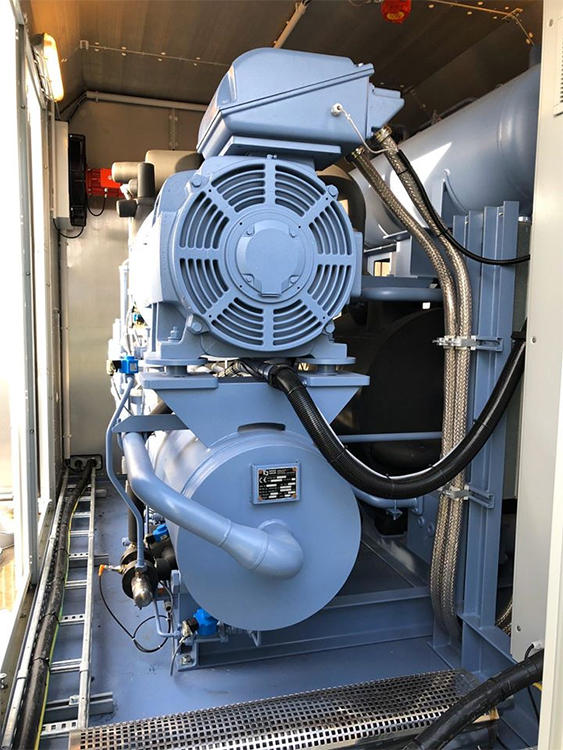
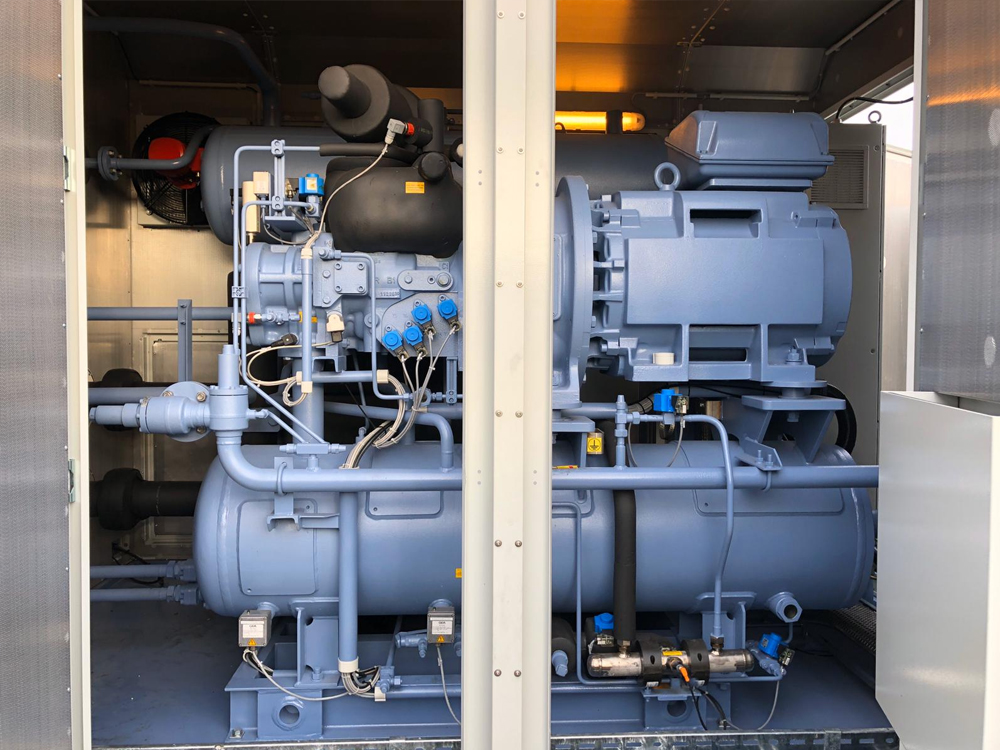
  • 2 x Outdoor ammonia glycol chillers, each providing 484kw, supplying chilled glycol at -7°c. Both packages come complete with 1 x inverter operated, Grasso high efficiency screw compressor.
  • 1 x remote BAC CXVE evaporative condenser to reject the heat, including inverter driven fans, providing 1212kw, condensing at +32°c, +21°c wet bulb. 1 x split circuit for compressor oil cooling (Glycol).  
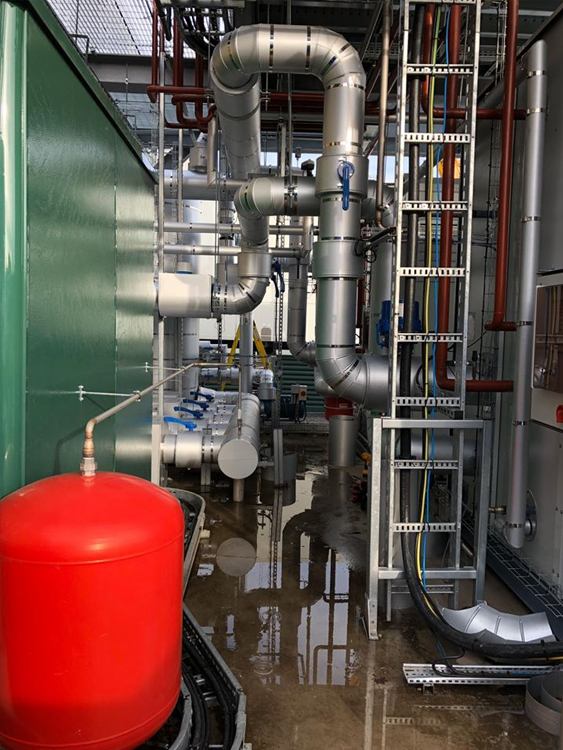
  • Cold glycol ring main, operating at -7°c.
  • Warm glycol ring main, reclaiming free heat for evaporator defrosting from the screw compressor oil cooling heat exchangers.
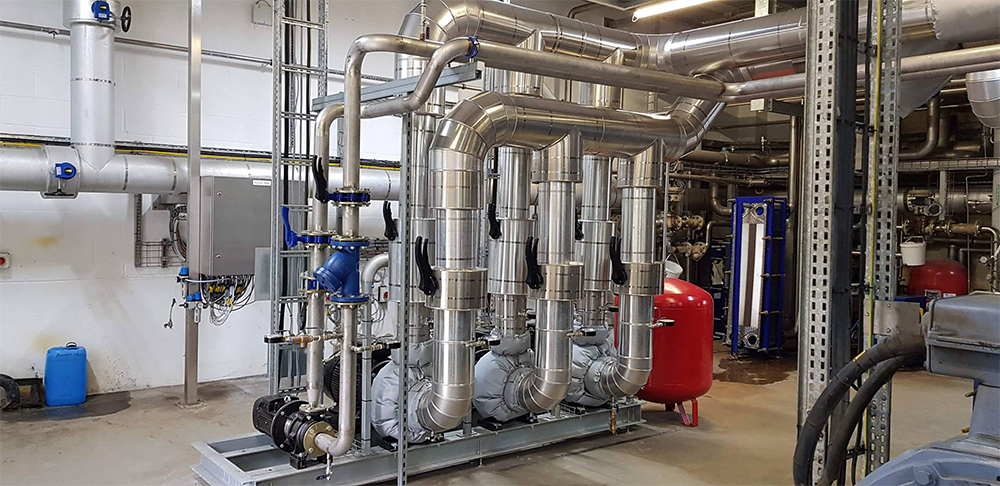
  • Inverter operated Run and standby cold and warm glycol pumps along with valve stations.
  • 1 x Inverter operated AHU for cooling and pressurisation to the high care prep area.
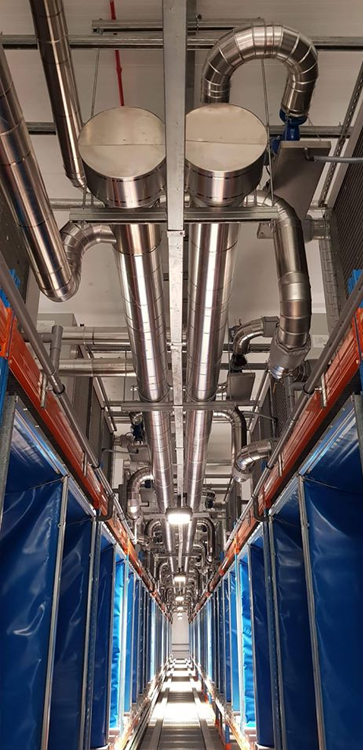
  • Ceiling mounted dual discharge evaporators, complete with EC fans for optimum energy savings.
  • Heat recovery for the factory to provide heated water fed from the warm glycol ring main.
  • Valves and connections to the Capcold units.
  • Valves and connections to the Falling Film Chiller.
  • Valves for future connections to replace HFC plant.
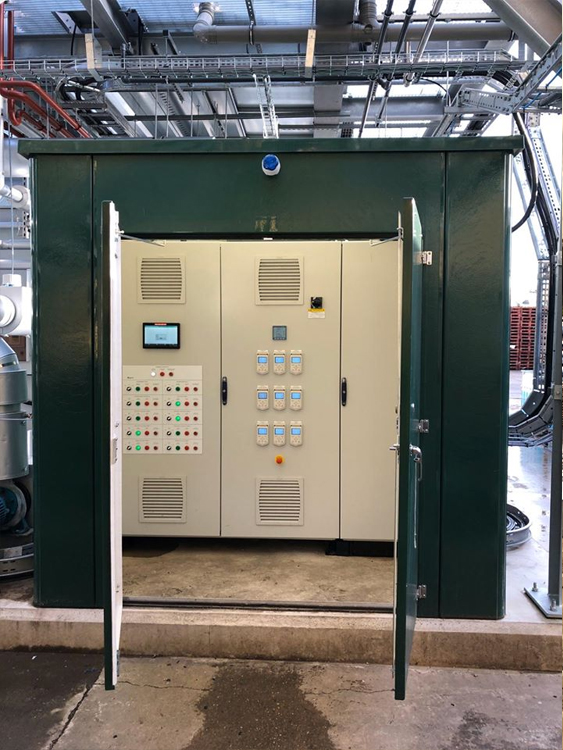
  • RDM PLC to control and monitor the plant
9800kw Ammonia / Glycol plant – new frozen potato production facility

9800kw Ammonia / Glycol plant – new frozen potato production facility

9800kw Ammonia / Glycol plant – new frozen potato production facility

Our client is the world’s largest manufacturer of frozen potato products and their existing production facility on England’s North Sea Coast was antiquated, and a major investment was necessary.

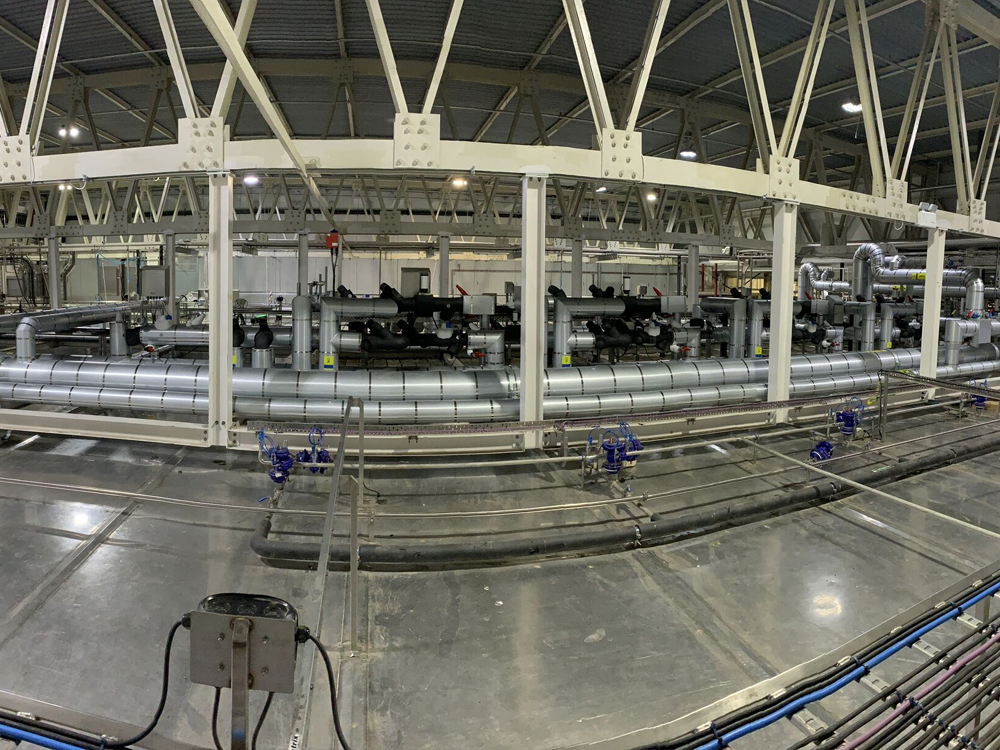
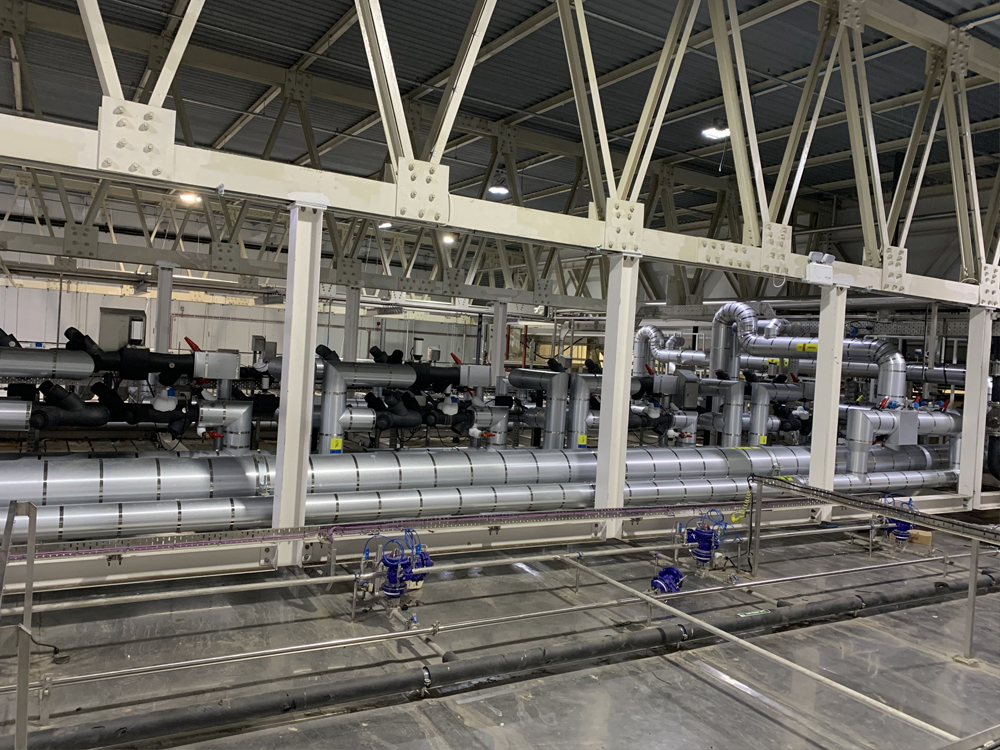
Seward Refrigeration Ltd were awarded the installation contract to install and commission a new multi-megawatt, standalone ammonia system to provide freezing and cooling duty for our customers new production facility.

The first phase of the project was to safely decommission the existing ammonia cold store refrigeration systems. Once the cold stores achieved ambient temperature the building work then commenced ready for the next phase of the project.

The scope of works for the new production facility included;

  • 2 x 18 ton/hour IQF tunnel freezers
  • 2 x IQF tunnel freezer refrigerated precooled sections.
  • 1 x chilled glycol circuit (Coolflow DTX) feeding the batter system, Cryolator, Chilled Water & glycol evaporators.
  • 1 x (ATL) Auto truck loading bay area (-18°C)
  • 1 x Cold store (-18°C)
  • 1 x 5 ton/hour spiral freezer (Future)
  • 1 x Weighing deck area (+5°C)
  • 1 x Manta deck area (+5°C)
  • 1 x Coldstore outlet area (+5°C)

The design of the new plant installed caters for 4 x independent temperature zones based on;

  • No1 18 tonne tunnel freezer – Operating between -28/-32°C SST (Total duty 2440 kW) Including sequential hot gas defrost load. (Two single stage economised ammonia screw compressors)
  • No2 18 tonne tunnel freezer – Operating between -28/-32°C SST (Total duty 2440 Kw) Including sequential hot gas defrost load. (Two single stage economised ammonia screw compressors)
  • Coldstore, ATL despatch bay and future roast product spiral freezer system – Operating between -28/-32°C SST. (total duty 945 kW) including defrost load. (One single stage economised ammonia screw compressor)
  • Glycol system required for the batter cooling, weighing deck area, Manta room and Freezer outlet area – Operating at -11°C SST. (Total duty 850 kW) One single stage ammonia screw compressor.
  • High temperature system required for liquid subcooling, No1 & 2 IQF tunnel freezer refrigerated precooled sections, sequential hot gas defrost load – Operating at -1°C SST. (Total duty 3062 kW) One single stage ammonia screw compressor.

Total plant duty – 9,737kw

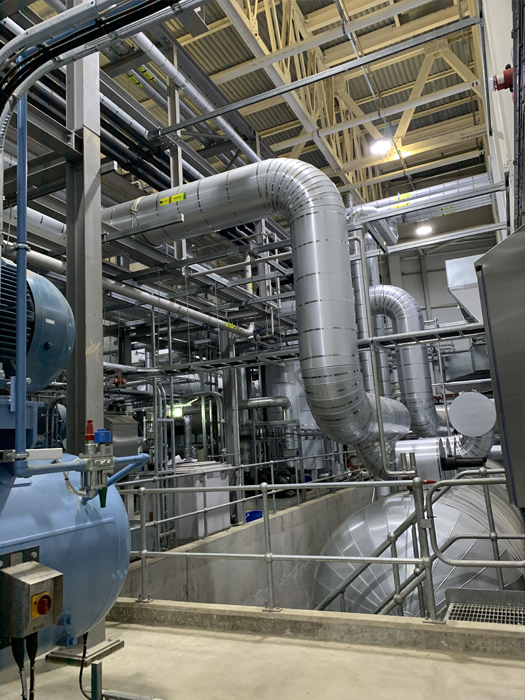
The main plant items installed for the new refrigeration system, included;

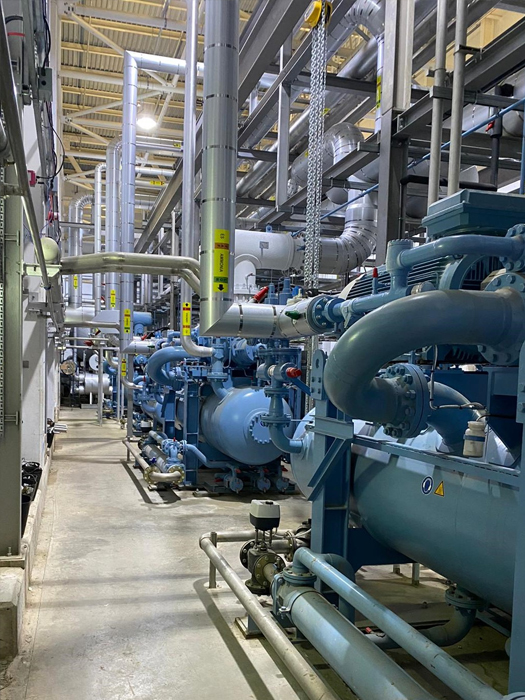
  • 5 x Mycom N280JL-VE economised screw compressors packs, inverter operated.
  • 1 x Mycom N280JL-V screw compressor, inverter operated.
  • 1 x Mycom N220JM-V screw compressor, inverter operated.
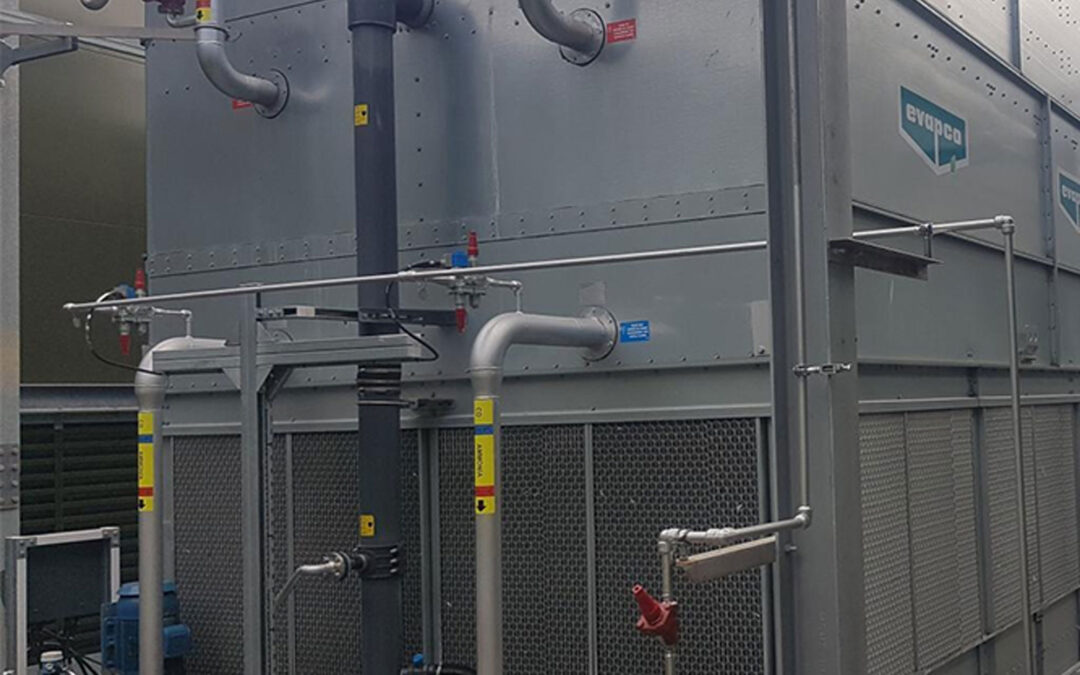
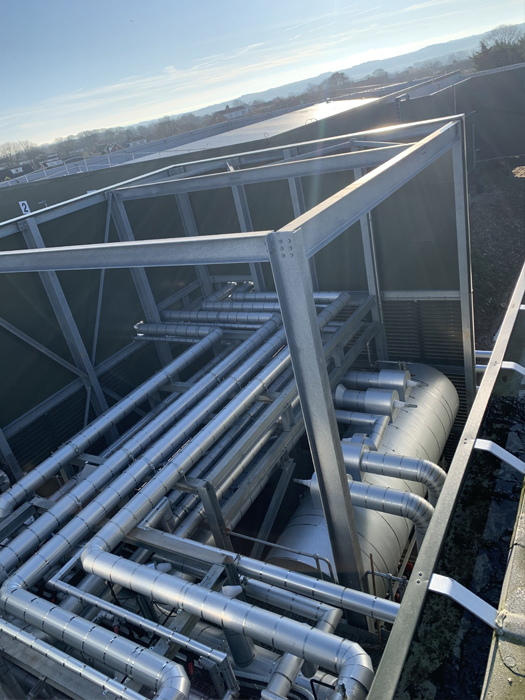
  • 5 x Evapco ATC-935E high efficiency silent mode induced draft condensers. Wet bulb temperature +21°c, condensing temperature +30°c.
  • 1 x Evapco EWSA-144-24J closed circuit glycol cooling tower for the screw compressors oil cooling system.
  • 1 x closed flash flooded ammonia shell and tube economiser installed within the -1°C liquid ammonia supply line from the -1°C surge drum to the -32°C surge drum(s).
  • 2 x IQF freezer, -32°C packaged surge drums, each complete with three inverter driven HRP liquid pumps, isolation valves, motorised fail safe pump suction down leg ball valve, DPRV, stand pipe, oil recovery vessel, high level cut-out switch, DPRV, level probe and isolation valves.
  • 1 x satellite cold storage -32°C packaged surge drum complete with three inverter driven HRP liquid pumps, isolation valves, motorised fail safe pump suction down leg ball valve, DPRV, stand pipe, oil recovery vessel, high level cutout switch, DPRV, level probe and isolation valves.
  • 1 x high temperature -1°C packaged surge drum complete with three inverter driven HRP liquid pumps, isolation valves, motorised fail safe pump suction down leg ball valve, DPRV, stand pipe, oil recovery vessel, high level cutout switch, DPRV, level probe and isolation valves.
  • 5 x Witt HR4 high side floats, installed to the underside of the condensers platform at high level.
  • 4 x ceiling mounted, wide fin ammonia evaporators for the new ATL dispatch bay, operating at -18°C.
  • 3 x ceiling mounted Coldstore evaporators, operating at -18°C.
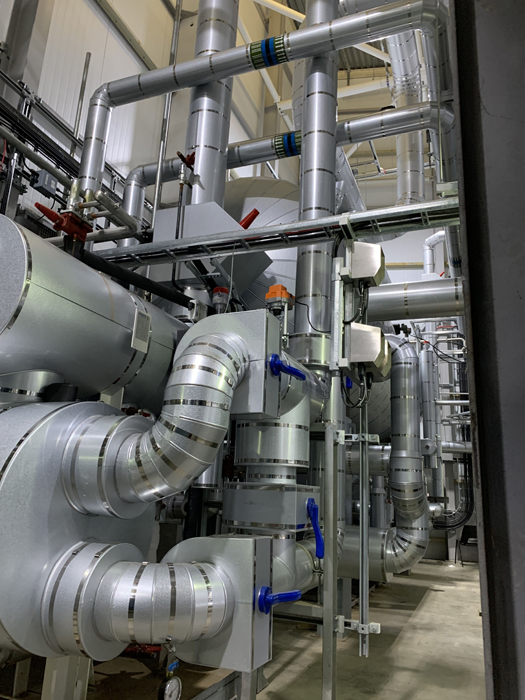
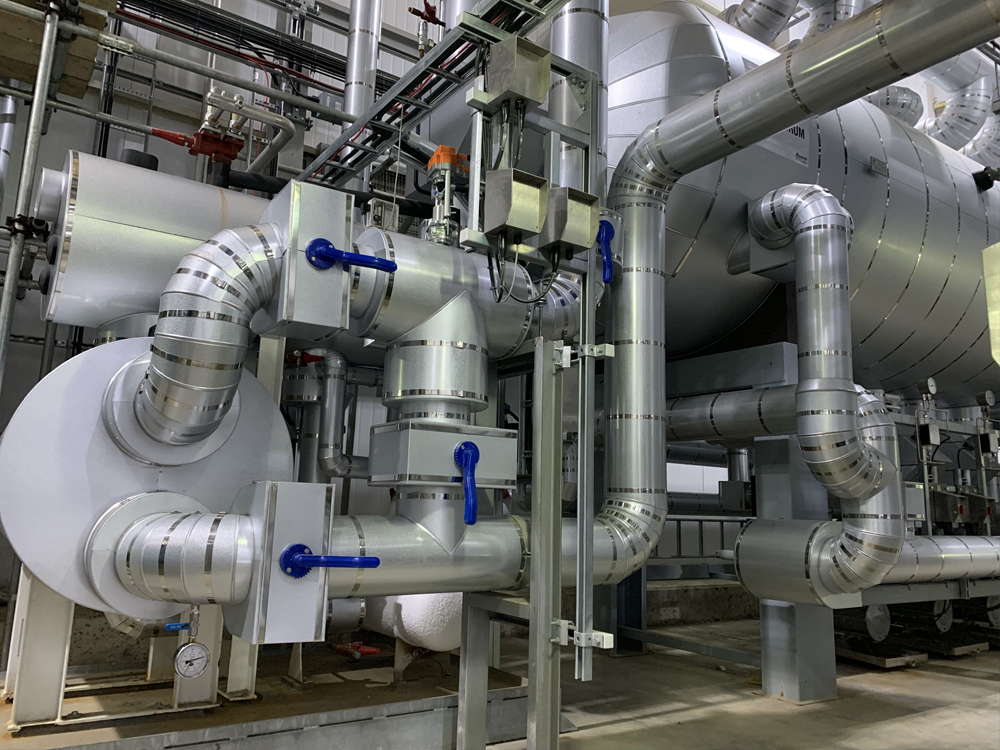
  • 1 x flooded Vahterus plate in shell ammonia/ glycol heat exchanger, supplying chilled glycol to the Cryolator, potable water skid, weighing deck area evaporators, Manta operating room and Freezer outlet area coolers.
  • Each of the two chilled glycol systems was installed with remote vertical type 304 stainless steel glycol buffer tanks complete with run and standby glycol pumps / valve stations.
  • 4 x ceiling mounted coolers feeding the weighing deck area. (Coolflow DTX)
  • 2 x ceiling mounted coolers feeding the Manta area. (Coolflow DTX)
  • 2 x ceiling mounted coolers feeding the Freezer outlet area. (Coolflow DTX)

Production equipment details

New IQF Tunnel Freezer No1 – The new tunnel freezer was designed for an operating ammonia temperature of -28/-32°C, providing a total duty of 2159 kW, and fitted with seven double mounted top feed bottom outlet connected coils. All of the coolers receive pumped ammonia from the new surge drum at -32°C with a pumping ratio at 5:1. The valve stations were installed within the access passageway between the two freezers, including extract ventilation.

New IQF Tunnel Freezer No1 Refrigerated Precooled Section – The new tunnel freezer precooled section is designed for an operating ammonia temperature of -1°C, providing a total duty of 925 kW and fitted with one double mounted top feed, bottom outlet connected stainless steel coolers. The coolers receive pumped ammonia from the new surge drum at -1°C with a pumping ratio at 5:1. The valve stations were installed within the access passageway between the two freezers, including extract ventilation.

New IQF Tunnel Freezer No2 – The new tunnel freezer was designed for an operating ammonia temperature of -28/-32°C, providing a total duty of 2159 kW, and fitted with seven double mounted top feed bottom outlet connected coils. All of the coolers receive pumped ammonia from the new surge drum at -32°C with a pumping ratio at 5:1. The valve stations were installed within the access passageway between the two freezers, including extract ventilation. To provide the duty, two Mycom single stage, economised ammonia screw compressors were installed operating between -28/-32°C (Total duty 2440 kW) Including sequential hot gas defrost load)

New IQF Tunnel Freezer No2 Refrigerated Precooled Section – The new tunnel freezer precooled section is designed for an operating ammonia temperature of -1°C, providing a total duty of 925 kW and fitted with one double mounted top feed, bottom outlet connected stainless steel coolers. The coolers receive pumped ammonia from the new surge drum at -1°C with a pumping ratio at 5:1. The valve stations were installed within the access passageway between the two freezers, including extract ventilation.

Coldstore – Three 134kw ceiling mounted, hot gas defrosting evaporators were installed in part of the old existing cold store, selected based on an high infiltration load and minimum fin spacing at 10 mm providing -18°C operating temperature.

ATL Dispatch Bay – Four 60kw ceiling mounted, hot gas defrosting coolers were installed for the new Auto Truck Loading Bay, selected based on an high infiltration load and minimum fin spacing at 10 mm providing -18°C operating temperature.

Batter Chilling and Glycol Air Coolers – One 850kw flooded Vahterus plate in shell ammonia/ CoolFlow DTX glycol heat exchanger, supplying chilled glycol to the Cryolator, potable water skid, weighing deck area evaporators, Manta operating room and Freezer outlet area coolers. The Vahterus heat exchanger is fitted with a twin system that incorporates two plates into one common shell operating on the flooded principle with ammonia evaporating at -11°C. The 0°C secondary glycol side provides a duty of 620 kW and the -6°C side provides a duty of 180 kW

Both glycol systems consisted of hot and cold side buffer tanks, vertical type with internal weir plate. The circuits include independent glycol pumps for the potable water heat exchanger, glycol coolers, recirculating pumps and valve stations.

Future – Roast Product Spiral Freezer – This will be a self-contained spiral freezer and will be connected onto the -32°C satellite packaged surge drum in the future.

Conclusion

To conclude the installation of the new refrigeration plant took just under two years to complete. The two new cold stores were commissioned first to allow product to be stored in dispatch at the required temperatures. Once the new system was partly commissioned the existing tunnel freezers were switched off individually and product was diverted to the new freezer tunnels.

When each of the new tunnel freezers were fully commissioned and in operation and the client was producing the required quantity of product, we then proceeded to decommission each of the existing tunnel freezers. In total including the existing cold stores, 29,000 KG of ammonia was safely removed from site, with the new refrigeration system being charged with 15,900Kg of ammonia in total.

The new refrigeration system is controlled via a state of the art SCADA system. Graphics and instrumentation (pressure and temperatures) are all visible on the screens which makes it ideal for site and our service engineers to diagnose issues with the system. The refrigeration plant is fully automated and requires little involvement from sites engineers to operate the system. Seward Refrigeration completed the control narrative and fully commissioned the new plant alongside software engineers.

Ammonia / Glycol plant upgrade

Ammonia / Glycol plant upgrade

Ammonia / Glycol plant upgrade

Our client is Britain’s largest producer of branded and private label dairy products, with a network of dairies and depots servicing customers throughout the country. Our clients site in Telford predominantly manufactures retail branded yogurt products, and made the decision to increase the site capacity from the current production capacity of 200 to 500 million pots per annum. This being achieved through upgrading and increasing existing production and storage capabilities.

The existing refrigeration system was designed to facilitate future expansion and the new additions / modifications provided a common ammonia / glycol system.

Seward Refrigeration Ltd were awarded the installation contract to upgrade the existing ammonia / glycol refrigeration system to serve the new project, including the installation of two heat pumps providing conditioned air in a high bay warehouse.

The scope of works included;

  • Installation of an additional BAC evaporative condenser, equipped with fan inverter drives, located adjacent to the existing unit.
  • Installation of a high-pressure liquid receiver installed at condenser level
  • The existing HP float removed and converted to high pressure liquid feed via modulating control valves supplied via the new liquid receiver.
  • An additional Grasso DUO compressor pack installed between the two existing Grasso RC compressors and piped into the common refrigeration circuit.
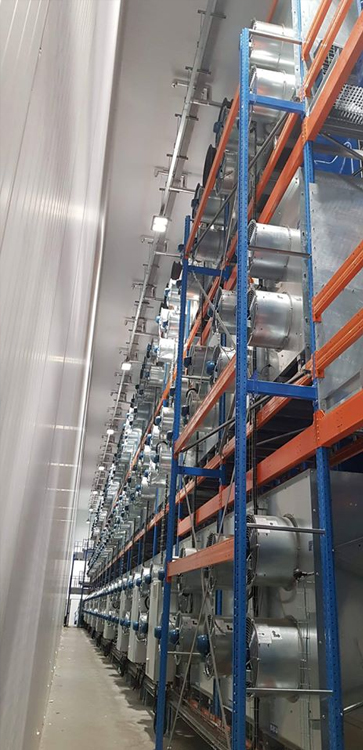
  • An additional 1200kw ammonia / glycol heat exchanger was added to the existing 2500kw surge vessel to provide cooling duty to the new cooling tunnel, despatch area and Repack area.
  • The interconnecting suction pipework between compressors and surge drums to operate at the same suction pressure
  • The existing Trend controls system was extended to facilitate the new equipment.
  • Standalone ventilation system, consisting of 2-off Lennox heat pump units / ducted system providing the required heating, cooling and fresh air for a high bay Warehouse.

General plant description

New cooling duty requirements;

Cooling tunnel  1500kw

Despatch area  90kw

Repack area     40kw

The existing ammonia / glycol, chilled water system, comprises of 2-off gravity fed ammonia surge drums, one provides chilled water and the second provides chilled glycol at -7°C. For this project the chilled water system remained as built, and the glycol system was increased in size by a further 1200 kW by fitting to the surge drum, an additional Alfa Laval heat exchanger providing glycol at -7°C/ -3°C. Provision was made for this additional plate to be fitted when the plant was originally designed so all the connections were in place to allow a relatively straightforward installation. Additional valves and safety valves were fitted as required.

Vapour from each of the 2 plate packs on the glycol system is drawn into a common suction header from which the original Grasso RC612E compressors along with a new Inverter driven, GEA Grasso Duo SPD MD 5A screw compressor. The new compressor provides an additional capacity of 1515 kW when operating with a suction pressure at -9°C and condensing at +32°C. Each compressor then discharges into a common discharge header which in turn is condensed in 2-off Baltimore evaporative condensers, the existing is rated at approximately 1900 kW and the new CXVE 539 (supplied and installed) provides 1877 kW when operating at +32°C within a wet bulb ambient of +21°C. There is also an additional glycol cooling circuit fitted to the condenser to provide a capacity of 394 kW of cooling for the new GEA duo compressor pack oil cooling circuit.

The new and existing condensers are piped together to provide condensed ammonia liquid which then flows into a new common high-pressure liquid receiver. Liquid from the new common receiver is fed to the existing chilled water surge drum via a Hansen MVP 32-7 motorised valve, ammonia is also fed to the glycol surge drum via a Hansen MVP 40-7. Both valves are controlled by level transmitters fitted to each surge drum vessel.

The GEA DUO compressor oil cooling is provided via a split cooling circuit in the new evaporative condenser. The circuit operates with a 28% mix of DTX coolflow, the pump provided is a Grundfoss NB40-125-142/ 5.5 kW, the flow rate is 12.73 L/s with a head at 22.5 mtrs, the DTX coolflow operating temperatures are +32°C/ +42°C.

Three Grundfoss NB100-315-334/ 30 kW pumps are provided for the primary DTX coolflow chilled glycol to feed the new PL500 cooling tunnel, Repack area and Despatch area. The pumps are set up to have two running with one standby, each pump provides 54.73 L/s with a head at 35.4 mtrs. The PL500 cooling tunnel is fed with DTX coolflow at -7°C, there are twenty evaporators installed within the tunnel at high level. The Re-pack area has two dual discharge evaporators installed within it for controlling the air temperature at +4°C, each cooler is supplied with DTX coolflow and each has a capacity rated at 20 kW, defrost is off cycle with the cooling closed off and the fans running for a set period of time. The Despatch area has three draw through evaporators installed within it for controlling the air temperature at +4°C, each cooler is supplied with DTX coolflow and each has a capacity rated at 30 kW, defrost is off cycle with the cooling closed off and the fans running for a set period of time.

High Bay Warehouse temperature conditioning system

The system provides an overall temperature throughout the high bay warehouse at 15°C by means of a displacement ventilation system. Conditioned air is discharged along the full length and below the 4 of the bottom tiers of racking and the resultant mixed air allowed to rise via buoyancy to the top of the room where it will be collected via return ducts and drawn back to the two Lennox air handling units. The 2-off Lennox heat pump units provide all required heating, cooling and fresh air for the Warehouse.