
by Dave Jackson | Apr 22, 2026 | News
When refrigeration works, nobody notices. The moment it fails, everyone does.
In food production, that failure comes with a price tag that goes far beyond the engineer’s call-out fee. Lost product, halted production lines, failed audits, panicked procurement calls at 2am. The real cost of reactive refrigeration maintenance is rarely captured on a single invoice. It accumulates quietly until something breaks, and then it hits you all at once.
At Seward Refrigeration, we have spent over 30 years working with food processors, cold storage operators, breweries and pharmaceutical manufacturers across the UK. We have seen what reactive maintenance does to a business, and we want to be straight with you: it almost always costs far more than the alternative.
What Is Reactive Refrigeration Maintenance?
Reactive maintenance is exactly what it sounds like. You wait for something to go wrong, then you fix it. No planned inspections, no pre-emptive servicing, no monitoring of system performance over time. Just a breakdown, a call, and a scramble to get things running again.
It is a surprisingly common approach, particularly in businesses where refrigeration plant is seen as a background function rather than a core operational asset. The thinking is understandable: if it is not broken, why spend money on it?
The problem is that refrigeration systems do not just stop working without warning. They degrade. Compressor efficiency drops. Refrigerant levels drift. Condensers foul up. Each of these issues compounds over time, and by the time you notice something is wrong, the system has typically been operating below optimal for weeks or even months.
The True Cost of a Refrigeration Breakdown in Food Production
Let us talk numbers, because this is where the argument for reactive maintenance falls apart fast.
Product loss alone can be staggering. A cold storage failure across a large food production facility can result in tens of thousands of pounds of spoiled product within hours, depending on what is being stored and at what stage of production it sits. Meat, dairy, ready meals, pharmaceutical products. None of it survives a prolonged temperature deviation.
Then there is production downtime. A single line stoppage in a food manufacturing facility typically costs several thousand pounds per hour when you factor in lost throughput, idle labour, and the ripple effect on delivery schedules and customer commitments.
Beyond the immediate financial impact, there are longer-term consequences that are harder to quantify but just as damaging. Failed audits. Compliance questions from customers and regulators. Reputational damage with key accounts. And in some cases, the accelerated deterioration of plant and equipment that has been pushed to failure rather than maintained within its operational tolerances.
Emergency call-out rates are also a factor. Out-of-hours reactive work costs significantly more than a planned visit, and the parts required at short notice are often more expensive and slower to arrive. The combination of premium labour rates, expedited parts, and extended downtime creates a financial perfect storm that a planned maintenance programme would, in most cases, have prevented entirely.
Why Planned Preventative Maintenance Pays for Itself
A well-structured planned preventative maintenance programme does more than keep your refrigeration plant running. It gives you control.
Through regular site visits, our engineers build a detailed picture of how your system performs across different operational demands. We identify wear patterns, monitor refrigerant levels, check electrical and mechanical components, and flag potential issues before they become urgent. That means repairs happen on your schedule, not in the middle of a production run at 3am on a Sunday.
Energy efficiency is another area where the returns are tangible. A refrigeration system running with a partially blocked condenser or a compressor operating outside its optimal parameters uses significantly more energy than it should. The efficiency gains from properly maintained plant can reduce your energy consumption meaningfully, and those savings contribute directly to the cost of the maintenance programme itself.
We also offer remote monitoring as part of our service packages. Having real-time visibility of system performance means anomalies are caught early, often before anyone on site is even aware there is a developing issue. That kind of proactive intelligence is simply not available to businesses running on a purely reactive model.
F-Gas Compliance and Your Legal Obligations
There is another dimension to this that goes beyond cost: compliance. Under UK F-Gas regulations, operators of systems containing fluorinated refrigerants are legally required to carry out regular leak detection checks at intervals determined by the size of their system. Failure to do so carries serious penalties and can create significant legal exposure.
A planned maintenance arrangement with a qualified F-Gas registered contractor keeps you on the right side of those regulations without having to think about it. We handle the documentation, the reporting, and the checks. You get the assurance that your compliance obligations are being met, and a clear audit trail to back it up.
Seward Refrigeration: A Maintenance Partner You Can Actually Rely On
We are not a call centre with a list of subcontractors. We are a family-run business with a dedicated team of experienced refrigeration engineers who know what industrial and heavy commercial plant demands. Our service department covers the whole of the UK and operates 24 hours a day, 365 days a year, because we know that refrigeration does not observe business hours.
Our clients include some of the UK’s best-known food manufacturers, and they choose to stay with us because we treat their plant like it matters. Because to them, it does. When the alternative is a line stoppage or a failed customer audit, having a maintenance partner you can call with confidence is not a luxury. It is fundamental.
If you are currently running on a reactive model, or if you are questioning whether your existing maintenance arrangement is genuinely protecting your business, we would welcome a conversation. We can assess your current setup, identify any risk areas, and recommend a maintenance programme that fits your operation and your budget.
Find out more about our industrial refrigeration service and maintenance offering, or get in touch with the team directly at sewardrl.co.uk.
Frequently Asked Questions
What is the difference between reactive and planned maintenance?
Reactive maintenance means waiting for a fault to occur before acting. Planned preventative maintenance involves scheduled servicing at regular intervals to keep equipment in good condition and catch potential issues before they cause a failure. For refrigeration plant in food production, planned maintenance is almost always the lower-cost, lower-risk approach.
How often should industrial refrigeration systems be serviced?
The frequency depends on the size and type of your system, the refrigerant used, and your operational demands. Under F-Gas regulations, leak detection checks are required at intervals of 3, 6 or 12 months depending on the system charge size. Beyond compliance checks, most industrial systems benefit from more frequent operational inspections. We tailor maintenance schedules to the individual needs of each site.
Can a planned maintenance programme reduce energy costs?
Yes, significantly. A well-maintained refrigeration system operates closer to its designed efficiency parameters. Dirty condensers, worn compressors, and refrigerant deficiencies all increase energy consumption. Regular servicing addresses these issues, and the energy savings achieved often offset a meaningful proportion of the maintenance cost.
What happens if my refrigeration system fails outside of normal business hours?
Our service team operates 24 hours a day, 365 days a year. Clients on a maintenance contract with us have access to emergency support at any time. We carry a wide range of common parts and our engineers are experienced in diagnosing and resolving faults efficiently, with the goal of minimising downtime on every call-out.
Do you offer remote monitoring for refrigeration systems?
Yes. We offer remote system monitoring as part of our service packages, giving you real-time visibility of plant performance and enabling our team to identify anomalies early. This capability is particularly valuable for large sites with multiple refrigeration systems, where manual checks alone cannot provide the same level of continuous oversight.
Is Seward Refrigeration F-Gas registered?
Yes. Seward Refrigeration is fully F-Gas registered, and our engineers hold the relevant qualifications to legally handle, recover, and recharge fluorinated refrigerants. We manage all compliance documentation and reporting as part of our service arrangements, giving clients a clear and complete audit trail.

by Dave Jackson | Mar 5, 2026 | News
In food processing, temperature control is not optional. It protects product quality, ensures compliance and keeps production moving. When you are running cold stores, blast freezers or chilled production areas around the clock, you need a refrigeration system that is powerful, efficient and dependable.
That is why ammonia refrigeration remains the backbone of many food manufacturing facilities.
But how does ammonia refrigeration actually work, and why is it so widely used in food processing?
Let’s break it down clearly.
Why Ammonia Is Used in Food Processing
Ammonia, also known as R717, has been used in industrial refrigeration for well over a century. It is not new technology. It is proven engineering.
There are three main reasons food processors choose ammonia:
- Excellent thermodynamic efficiency
- Zero global warming potential
- Strong performance in large scale systems
Ammonia absorbs heat extremely effectively. That means it can move large amounts of heat using less energy compared to many synthetic refrigerants. For facilities running high load applications such as spiral freezers or large cold storage warehouses, that efficiency translates directly into lower operating costs.
It is also a natural refrigerant. With increasing regulatory pressure around F gases and environmental impact, ammonia offers long term security.
The Core Principle Behind Ammonia Refrigeration
At its heart, ammonia refrigeration works on the same basic vapour compression cycle as most refrigeration systems. The difference lies in the refrigerant and the scale of application.
Here is the process in simple terms.
First, liquid ammonia absorbs heat from the product or space that needs cooling. As it absorbs heat, it evaporates and turns into a low pressure gas.
That gas is then drawn into a compressor. The compressor raises the pressure and temperature of the ammonia vapour.
Next, the hot high pressure gas moves to a condenser. In the condenser, heat is rejected to the outside environment, often through air cooled or evaporative systems. As the ammonia loses heat, it condenses back into a liquid.
Finally, the high pressure liquid ammonia passes through an expansion valve. The pressure drops, the temperature falls, and the cycle begins again.
This continuous process removes heat from production areas, cold rooms and process equipment, keeping temperatures tightly controlled.
How It Applies in Food Processing
In food processing environments, ammonia systems are often configured as central plant systems.
Instead of having individual refrigeration units for each area, a central ammonia plant serves multiple zones. This may include:
- Raw material intake chillers
- Process area cooling
- Blast freezing tunnels
- Cold storage warehouses
- Finished goods distribution areas
Ammonia circulates through evaporators located in each controlled space. These evaporators pull heat from the environment, maintaining consistent product temperatures.
Because food production can involve high heat loads and constant door openings, the system must respond quickly and maintain stability. Ammonia performs exceptionally well under these conditions.
Efficiency and Energy Performance
Energy use is one of the biggest operational costs in food manufacturing. Refrigeration often accounts for a significant percentage of total site energy consumption.
Ammonia systems are known for high coefficient of performance. In practical terms, this means more cooling output per unit of electrical input.
When designed correctly, an ammonia plant can deliver long term energy savings compared to alternative refrigerants. Modern systems can also incorporate variable speed drives, heat recovery and advanced control strategies to optimise performance further.
Heat recovered from the system can even be reused for cleaning processes or space heating, improving overall plant efficiency.
Safety and Compliance
Ammonia is highly efficient, but it must be handled correctly. It is a toxic refrigerant and requires careful system design, monitoring and maintenance.
That is why ammonia refrigeration in food processing is engineered with robust safety measures. These may include:
- Gas detection systems
- Emergency ventilation
- Pressure relief systems
- Clearly defined plant room layouts
- Routine inspection and maintenance schedules
With the right engineering approach and ongoing service support, ammonia systems operate safely and reliably.
Experienced refrigeration specialists design systems that comply fully with UK regulations and industry standards, ensuring both performance and protection.
Maintenance and Longevity
One of the advantages of ammonia refrigeration is longevity. Properly maintained systems can operate for decades.
However, performance depends on structured maintenance. Compressors, valves, pipework and safety systems must be inspected regularly. Oil management, system cleanliness and leak detection are critical.
Planned preventative maintenance reduces the risk of breakdowns, protects product integrity and extends equipment life.
In high throughput food processing environments, unplanned downtime is not just inconvenient. It is costly. A well maintained ammonia system helps prevent that risk.
Is Ammonia Right for Every Facility?
Ammonia refrigeration is particularly suited to medium and large scale food production sites. Facilities with high cooling loads, continuous operation and significant cold storage capacity benefit most.
For smaller operations, alternative refrigerants may be more appropriate. The key is correct system design based on operational demand, energy targets and long term growth plans.
Every site is different. That is why tailored engineering solutions matter.
At Seward Refrigeration Ltd, we design, install and maintain ammonia refrigeration systems that are built around your production requirements. From concept through commissioning and ongoing service, our focus is performance, efficiency and reliability.
If you want to explore how ammonia refrigeration could support your food processing operation, visit our homepage at https://sewardrl.co.uk/
Frequently Asked Questions
What is ammonia refrigeration used for in food processing?
Ammonia refrigeration is used to cool production areas, blast freezers, cold stores and distribution facilities. It maintains safe temperatures for food preservation and processing.
Why is ammonia more efficient than some synthetic refrigerants?
Ammonia has excellent thermodynamic properties. It absorbs and transfers heat very effectively, which allows systems to deliver strong cooling performance with lower energy consumption.
Is ammonia refrigeration safe in food factories?
Yes, when designed and maintained correctly. Modern ammonia systems include gas detection, ventilation and safety controls. Compliance with regulations and routine maintenance are essential.
How long does an ammonia refrigeration system last?
With proper maintenance, ammonia systems can operate for several decades. Longevity depends on system design, operating conditions and service routines.
Does ammonia refrigeration reduce energy costs?
In many large scale applications, yes. Ammonia systems are known for high efficiency and can significantly reduce energy use compared to less efficient alternatives.
Do ammonia systems require specialist engineers?
Absolutely. Installation, servicing and inspection should be carried out by experienced industrial refrigeration engineers familiar with ammonia systems and UK regulatory requirements.
Ammonia refrigeration remains one of the most powerful and efficient solutions available to food processors. When engineered properly and supported by the right expertise, it delivers consistent performance that keeps production moving and product quality protected.

by Dave Jackson | Feb 1, 2026 | News
An industrial refrigeration system is one of the most critical assets in any cold storage, food production, or processing facility. It keeps operations running smoothly, preserves product integrity, and supports compliance with safety and environmental standards. Yet, despite its importance, many systems are pushed beyond their limits due to neglect, poor maintenance, or incorrect operation.
Like any complex piece of engineering, longevity depends on how it’s treated. Extending the life of your refrigeration system is less about luck and more about consistent, informed management. Here’s how to make sure your equipment performs efficiently for years to come.
1. Prioritise Preventative Maintenance
Preventative maintenance isn’t just a checklist—it’s the foundation of system longevity. Regular inspections and servicing help you identify small issues before they become major failures. A well-structured maintenance plan should include compressor checks, oil analysis, leak testing, and regular cleaning of evaporators and condensers.
Many operators rely on reactive repairs, fixing problems only when they arise. The truth is that unplanned downtime costs far more than scheduled maintenance. A routine maintenance programme performed by qualified engineers ensures that every component continues to operate within optimal parameters.
2. Keep the System Clean and Efficient
Dirt, dust, and debris are the silent enemies of refrigeration systems. Dirty condensers reduce heat transfer efficiency, forcing compressors to work harder and increasing energy consumption. Over time, this extra strain shortens the lifespan of key components.
Regular cleaning of coils, filters, and drains can significantly improve performance and reduce energy costs. The same applies to checking insulation and door seals in cold storage areas—small air leaks can lead to excessive system load and premature wear.
3. Monitor and Analyse Performance Data
Modern industrial refrigeration systems generate valuable operational data. Monitoring temperature, pressure, and power usage provides real-time insight into system health. By tracking these metrics, maintenance teams can identify performance drift, spot refrigerant leaks, or detect compressor inefficiencies before they escalate.
Using control systems or data logging software to monitor trends allows for predictive maintenance, reducing both downtime and costs. In short, data-driven management helps keep the system running at peak efficiency for longer.
4. Use the Right Refrigerant and Oil
Using the correct refrigerant and lubricating oil is essential for both performance and system longevity. Compatibility between components, oil, and refrigerant determines how well your system operates under pressure and temperature changes.
As regulations evolve, many facilities are transitioning to low-GWP (Global Warming Potential) refrigerants such as ammonia or CO₂. These options are not only environmentally friendly but also proven to deliver stable performance when managed properly. Always consult with a qualified engineer before changing refrigerants to ensure system compatibility and safety.
5. Train Your Team
A well-trained operations team is one of the most cost-effective ways to extend equipment life. When engineers and technicians understand how the system works, they can identify irregularities quickly and respond appropriately.
Training should cover system controls, start-up and shutdown procedures, safety protocols, and routine checks. Partnering with a specialist service provider ensures your staff stay up to date with best practices and regulatory changes.
6. Upgrade When It Makes Sense
Extending system life doesn’t mean resisting change. In many cases, upgrading controls, compressors, or heat exchangers can significantly increase efficiency and reliability. Modern components often feature smart diagnostics and improved energy performance, which reduce wear on the overall system.
A system audit can highlight where upgrades will deliver the most benefit. Investing strategically in newer technology can add years to the operational life of your refrigeration plant while lowering running costs.
7. Work With a Trusted Service Partner
Ultimately, even the best internal maintenance programme benefits from external expertise. Working with an experienced refrigeration contractor gives you access to specialist knowledge, advanced diagnostics, and compliance assurance.
At Seward Refrigeration, our team supports clients across the UK with design, installation, servicing, and maintenance of industrial and commercial refrigeration systems. We understand that longevity starts with precision engineering and continues with consistent care. Every system we manage is treated as a long-term partnership, not a one-off project.
FAQs
How long should an industrial refrigeration system last?
With proper maintenance, a well-designed system can operate effectively for 15–25 years or longer. Regular servicing and upgrades are key to achieving maximum lifespan.
What are the signs my refrigeration system needs attention?
Inconsistent temperatures, rising energy bills, excessive noise, and frequent cycling are all early indicators that components may be under strain or failing.
How often should maintenance be performed?
Routine maintenance is typically recommended at least twice a year, though high-demand environments may require quarterly checks to ensure optimal performance.
Does cleaning really make a difference?
Yes. Clean condensers, coils, and filters improve heat transfer efficiency and reduce compressor load, directly extending system life and lowering energy use.
Why choose Seward Refrigeration for maintenance and support?
Seward Refrigeration combines decades of experience with technical precision, industry compliance, and a proactive service approach. Our engineers help clients protect their investment by ensuring every system runs efficiently, safely, and for as long as possible.

by Dave Jackson | Jan 25, 2026 | News
Refrigeration looks complex from the outside, but at its core it is a simple and repeatable cycle built on four key stages. Every cold room, blast chiller, air conditioner and freezer relies on the same backbone. A refrigerant absorbs heat from where you do not want it and releases it somewhere else. Once you understand the four processes the whole system makes sense.
The four processes are evaporation, compression, condensation and expansion. They happen continuously in a loop, with each stage preparing the refrigerant for the next. This cycle protects products, keeps temperatures stable and ensures systems run efficiently day after day.
Let us walk through each process in plain English so you can see what is going on behind the panels.
Evaporation removes heat from the cooled space
The cycle starts with evaporation inside the evaporator coil. This is the part of the system that sits inside the chilled area whether that is a commercial cold room, a freezer cabinet or a comfort cooling unit.
The refrigerant arrives here as a cold liquid at low pressure. As it travels through the coil it absorbs heat from the surrounding air. Warm air from the room is passed over the coil by fans, and the refrigerant draws that heat away. This is where the magic happens. The refrigerant boils and turns into a vapour, just like water becomes steam when heated. Except in this case, it happens at a much lower temperature.
By the time the refrigerant leaves the evaporator it is a low pressure gas loaded with unwanted heat from the space you are trying to cool.
Compression increases pressure and temperature
Next the refrigerant gas heads to the compressor. The compressor is the hardest working component, often called the heart of the system because it keeps everything moving.
Its job is straightforward. It squeezes the refrigerant gas into a smaller volume and in doing so it drives up the pressure and the temperature. The incoming vapour was cool relative to its surroundings, but after compression it becomes a hot, high pressure gas.
This temperature rise is not a flaw. It is deliberate. It allows the refrigerant that absorbed heat indoors to release that heat outdoors in the next stage.
Without the compressor doing its constant lift work the refrigerant would stall and the entire system would grind to a halt.
Condensation releases heat to the outside
Once the gas has been compressed it flows into the condenser. The condenser is typically located outside or in an area where heat can be safely rejected.
As fans blow cooler outside air across the condenser coils, the hot refrigerant gas sheds its heat into the atmosphere. The refrigerant cools as it travels through the coil and changes state again. It condenses back into a liquid. At the end of this process it is a high pressure liquid which has dumped the absorbed heat.
This is why your outdoor condenser unit can feel warm. It is simply the heat from indoors being expelled into the environment.
Expansion drops pressure and prepares the refrigerant
The final stage is the expansion process. The high pressure liquid passes through an expansion device which could be a valve or similar control element. This device sharply reduces the pressure of the refrigerant. When the pressure drops, so does the temperature.
Now the refrigerant becomes a cold low pressure liquid ideally suited to return to the evaporator and start absorbing heat again. The four stages loop endlessly keeping temperatures consistent and protecting whatever products or people the system has been designed for.
Why the four stage cycle matters
Understanding the cycle is more than technical trivia. It makes it easier to diagnose issues and highlights why maintenance matters. If a system is not cooling properly, it is usually because one of these stages is being disrupted. Blocked coils, failed fans, incorrect refrigerant charge or a struggling compressor all interfere with the smooth flow of the cycle.
When every stage is working correctly you get reliable performance, energy efficiency and longer equipment life. When one part falters the entire system pays the price.
FAQs
Q: What refrigerant actually does the cooling?
The refrigerant is the working fluid that absorbs heat indoors and releases it outdoors. Different systems use different refrigerants but they all rely on the same phase change principle.
Q: Why does the compressor get hot?
The compressor increases the pressure of the refrigerant which naturally raises its temperature. Heat from the motor also contributes to the warmth you may feel around it.
Q: Is evaporation the same as freezing?
No. Evaporation is the refrigerant turning from liquid to vapour as it absorbs heat. Freezing is what happens to water when it loses heat. The refrigerant never freezes in a correctly working cycle.
Q: Can the cycle run backwards?
Heat pumps run the same process but reverse the direction of heat flow. The four steps stay the same but the indoor and outdoor responsibilities are swapped.

by Dave Jackson | Dec 15, 2025 | News
Selecting a refrigeration contractor is not just about who can install or service your system at the lowest cost. It’s about choosing a partner you can trust with the long-term reliability, safety and efficiency of one of your facility’s most critical assets. Whether you operate a cold store, food processing plant or distribution centre, the right contractor will make a measurable difference to performance and running costs.
Here’s what to look for when choosing the right refrigeration contractor — and how to avoid costly mistakes along the way.
1. Look for Proven Experience and Industry Expertise
Refrigeration engineering is highly specialised. A contractor who understands the complexities of industrial systems, refrigerant management and regulatory compliance will always deliver greater value than a general mechanical services provider.
Ask about the contractor’s track record within your industry. Have they designed and maintained similar systems before? Do they understand the operational pressures your facility faces? Experience matters because it ensures your contractor can anticipate potential problems and design solutions that fit your exact requirements.
At Seward Refrigeration, for example, our team has decades of experience working across food manufacturing, logistics and cold chain industries, combining technical precision with deep sector knowledge.
2. Check Certifications and Compliance Standards
Refrigeration systems operate under strict environmental and safety regulations. The right contractor should hold all relevant accreditations, including F-Gas certification and ISO quality standards.
Compliance isn’t just a formality — it protects your business from costly fines, environmental damage and safety risks. Confirm that your contractor is fully insured and qualified to handle the refrigerants your system uses, whether that’s ammonia, CO₂ or HFC-based alternatives.
A compliant contractor will also maintain detailed service records and leak detection logs, helping your business stay audit-ready at all times.
3. Prioritise Preventative Maintenance Capability
The real value of a refrigeration contractor lies not only in their installation skills but in their ability to maintain your system for long-term efficiency. A proactive contractor will focus on preventative maintenance, not just emergency callouts.
Ask about their maintenance schedules, monitoring systems and response times. Do they offer predictive maintenance based on performance data? Are they available 24/7 in case of breakdowns? The best contractors see maintenance as an investment in uptime and efficiency, not as a box-ticking exercise.
4. Evaluate Technical Support and Aftercare
Once your system is operational, aftercare becomes critical. Technical support should be responsive, knowledgeable and consistent. You need a contractor who can provide remote diagnostics, quick on-site response and reliable spare parts supply.
A strong contractor relationship feels like an extension of your own team. They understand your site layout, your operational needs and your energy goals. They’re not just maintaining machinery — they’re protecting your production schedule and your reputation.
5. Consider Energy Efficiency and Sustainability Expertise
The refrigeration industry is evolving rapidly, with growing emphasis on sustainability and reduced carbon emissions. Contractors who stay ahead of these developments will help your business future-proof its investment.
Ask potential partners about their experience with natural refrigerants, energy recovery systems and low-GWP technologies. Can they help you design or retrofit systems to reduce running costs and meet environmental targets? The right contractor will understand that efficiency and sustainability are now business imperatives, not optional extras.
6. Review Communication and Transparency
A reliable contractor communicates clearly, provides detailed reporting and takes accountability for their work. From initial consultation to project completion, you should always know what’s being done, why it matters and what results to expect.
Transparency builds trust. Avoid contractors who provide vague estimates, skip documentation or avoid discussing system performance data. A professional contractor will treat your facility’s success as their own and keep you informed every step of the way.
7. Think Long Term
Choosing a refrigeration contractor should never be a short-term decision. The most effective relationships are built over years, not months. Your contractor should be a strategic partner who supports your operation through system upgrades, compliance changes and energy transitions.
At Seward Refrigeration, we believe in long-term partnerships grounded in technical excellence and proactive service. Our engineers work with clients to optimise performance, reduce costs and extend system life. It’s not about completing a job — it’s about keeping your facility running at its best every single day.
FAQs
What qualifications should a refrigeration contractor have?
They should hold valid F-Gas certification, appropriate health and safety credentials, and ideally ISO 9001 or ISO 14001 certification. Always verify their accreditations before signing any service agreement.
Why is preventative maintenance so important?
Regular maintenance prevents costly breakdowns, ensures compliance with environmental regulations, and helps your system operate at peak efficiency — saving energy and extending lifespan.
How often should industrial refrigeration systems be serviced?
Most systems require at least two comprehensive service visits per year, though higher-demand facilities may benefit from quarterly maintenance to maintain performance.
What makes a contractor reliable?
A reliable contractor communicates clearly, responds quickly, maintains detailed service records and focuses on preventing issues rather than reacting to them.
Why partner with Seward Refrigeration? Seward Refrigeration combines technical expertise, regulatory compliance and decades of industry experience to deliver end-to-end support. From design and installation to ongoing maintenance, we focus on long-term reliability, energy efficiency and customer confidence.

by Dave Jackson | Sep 10, 2025 | News
Industrial refrigeration is one of the most important parts of modern manufacturing and storage. It is the process of removing heat on a large scale to keep production lines, warehouses and products at the correct temperature. Without it, many industries would face major safety, compliance and financial problems.
Understanding Industrial Refrigeration
Industrial refrigeration is more than just keeping things cold. It is a carefully controlled system that operates continuously to protect products and maintain safe conditions. It is used in food processing, pharmaceutical production, chemical manufacturing and any industry where temperature must stay within strict limits.
The refrigerant absorbs heat from the area or process that needs to be cooled and moves it somewhere it can be safely released. The compressor raises the pressure of the refrigerant, the condenser removes heat, the expansion valve lowers the pressure to create cooling, and the evaporator absorbs heat from the process. This cycle runs around the clock to maintain stable temperatures.
Natural Refrigerants and Efficiency
Modern industrial refrigeration systems are increasingly designed to use natural refrigerants. Ammonia remains one of the most effective options because it is efficient, cost effective and has no impact on the ozone layer or global warming. Carbon dioxide is another popular choice, especially in low temperature applications, and is recognised for its safety and environmental benefits.
These refrigerants are combined with modern controls and monitoring systems to achieve the best balance of performance and energy efficiency. Energy costs are a major concern for any business running large cooling systems, so a well designed plant can reduce running costs significantly.
Why It Matters
The importance of industrial refrigeration cannot be overstated. Temperature control protects product quality and prevents waste. A single system failure can result in large losses of stock, particularly in the food and pharmaceutical sectors. Regulatory compliance is another key factor. Many industries must meet strict temperature requirements to comply with food safety or medical regulations.
Reliability is essential. A breakdown can lead to production stoppages, spoilage and major financial losses. This is why regular maintenance and remote monitoring are vital. A properly maintained system runs more efficiently and is less likely to fail unexpectedly.
Where Industrial Refrigeration Is Used
Industrial refrigeration supports a wide range of industries. Food processors rely on it to chill and freeze products before they reach the shelves. Breweries use it to control fermentation temperatures. Dairy producers use it to keep milk and cream safe during processing. Pharmaceutical companies need precise temperature control to protect medicines and vaccines. Chemical and plastic plants make use of refrigeration as a way to cool processes.
Wherever temperature has a direct effect on quality, safety or production speed, an industrial refrigeration system is at the heart of operations.
Choosing the Right Solution
Every site and process has unique requirements. A successful system design will consider the space available, the target temperatures, the type of refrigerant, energy efficiency targets and long term maintenance needs.
Importantly, tailored designs mean that the system performs meeting regulations and cuts running costs. Independent designers can select the most suitable equipment rather than being limited to one manufacturer.
The Bottom Line
Industrial refrigeration is critical infrastructure. When it is designed and maintained correctly, it works silently in the background, protecting products and supporting production. When it fails, the impact is immediate and expensive.
Working with an experienced refrigeration partner ensures your system is reliable, efficient and built to last. Whether you need a new plant, an upgrade or planned maintenance, Seward Refrigeration provides the expertise to keep your operation running smoothly.
by Dave Jackson | Aug 4, 2025 | News
Ammonia has been used in industrial refrigeration for well over a century, yet it continues to outperform newer alternatives in many large-scale applications. Despite the introduction of synthetic refrigerants and growing environmental scrutiny around traditional systems, ammonia (NH₃) remains the refrigerant of choice for food processing plants, cold storage, distribution centres and other commercial environments that require reliability, efficiency, and sustainability at scale.
So why is this naturally occurring compound still leading the way in 2025? Let’s take a closer look.
1. Unmatched Energy Efficiency
One of ammonia’s biggest advantages is its superior thermodynamic performance. It requires less energy to produce the same cooling effect compared to many synthetic refrigerants, especially in systems over 100kW.
For industrial users where refrigeration can account for up to 60% of energy consumption, the operational savings delivered by ammonia systems are significant. Over the lifespan of the equipment, that efficiency translates directly into reduced carbon emissions and lower running costs.
2. Environmentally Responsible
As environmental regulations continue to tighten across the UK and Europe, ammonia stands out as a future-proof refrigerant.
- Zero Ozone Depletion Potential (ODP)
- Zero Global Warming Potential (GWP)
- Naturally occurring and easily biodegradable
Unlike many HFCs and HFOs, ammonia isn’t subject to phase-down under F-Gas regulations. This makes it an ideal long-term choice for organisations looking to reduce their environmental impact without being caught in the cycle of regulatory change and gas replacement.
3. Excellent Heat Transfer Properties
Ammonia’s physical properties allow for faster and more efficient heat exchange than most synthetic alternatives. As a result, systems using NH₃ often require smaller pipework and heat exchangers, reducing capital costs and installation footprint.
This efficiency is particularly beneficial in facilities that require rapid chilling or freezing, such as abattoirs, seafood processors, and high-throughput distribution centres.
4. Well-Established Safety and Control Systems
Ammonia is toxic and flammable at high concentrations, which historically raised safety concerns. But today, with advanced system designs, robust containment protocols, and automated leak detection, modern NH₃ systems are among the safest and most controlled refrigeration setups available.
Refrigeration contractors like Seward work to strict compliance frameworks—BS EN 378 and the Pressure Equipment Safety Regulations (PER)—ensuring all ammonia systems are installed and maintained to the highest industry standards.
5. Proven Reliability in Demanding Environments
When you’re running 24/7 cold chain operations, there’s no room for compromise. Ammonia systems are renowned for their durability, resilience, and long operating life when properly maintained.
They’ve proven their worth in everything from large-scale food production to pharmaceutical storage, often delivering 30+ years of dependable service with relatively low maintenance requirements.
6. Future-Ready for Decarbonised Heat Recovery
With decarbonisation targets becoming more aggressive, industrial sites are increasingly looking to recover waste heat from refrigeration systems. Ammonia’s high discharge temperatures make it ideal for integration with heat recovery loops, delivering valuable energy reuse for hot water or space heating.
This ability to simultaneously cool and heat makes NH₃ systems more versatile and cost-effective in a world shifting towards net-zero.
While alternative refrigerants continue to evolve, ammonia remains unmatched for large-scale, industrial refrigeration. Its energy performance, environmental credentials, and proven reliability ensure that it will continue to dominate for the foreseeable future.
At Seward, we design, install and maintain ammonia-based refrigeration systems across a wide range of industries. With decades of experience and a commitment to safety and compliance, we help clients leverage the benefits of NH₃ with complete confidence.
Got a project in mind?
Get in touch with our specialist team to discuss how ammonia could support your refrigeration strategy.

by Dave Jackson | Apr 23, 2025 | News
Do you ever wonder how the food that gets to your plate stays fresh after travelling from the farm? Industrial refrigeration in short, is the answer. But here’s the kicker: this vital process is undergoing a massive transformation, thanks to the Internet of Things (IoT). In this article, we’ll dive into how IoT is revolutionizing industrial refrigeration monitoring, making it smarter, more efficient, and more reliable than ever before.
Understanding Industrial Refrigeration
Importance in Various Industries
Industrial refrigeration isn’t just about keeping things cool. It’s the unsung hero of numerous industries, from food and beverage to pharmaceuticals, chemicals, and beyond. It’s the guardian of freshness, the preserver of quality, and often, the silent protector of public health.
Traditional Monitoring Methods
Traditionally, monitoring industrial refrigeration systems has been a bit like trying to solve a puzzle with half the pieces missing. It often involved manual checks, periodic inspections, and a fair bit of guesswork. While these methods served their purpose, they left much to be desired in terms of efficiency and accuracy.
The Internet of Things (IoT) Revolution
What is IoT?
Before we dive deeper, let’s demystify IoT. Imagine if your refrigerator could talk to your smartphone, telling you when you’re out of milk. Now, scale that up to industrial proportions. That’s IoT – a network of interconnected devices that collect and exchange data.
IoT in Industrial Applications
IoT has been impacting many industries. But its impact on industrial applications, particularly in monitoring and control systems, has been nothing short of revolutionary.
IoT in Industrial Refrigeration Monitoring
Real-time Data Collection
With IoT, industrial refrigeration systems have become chatterboxes of useful information. Sensors continuously collect data on temperature, humidity, energy consumption, and more. It’s like having a team of tireless workers constantly checking every nook and cranny of your refrigeration system.
Remote Monitoring and Control
Gone are the days of on-site inspections being the only way to monitor refrigeration systems. IoT enables remote monitoring and control, allowing operators to keep an eye on systems from anywhere in the world. It’s like having a magic wand that lets you control your refrigeration systems from the comfort of your office – or even your living room!
Predictive Maintenance
One of the most exciting applications of IoT in refrigeration monitoring is predictive maintenance. By analysing patterns in the data collected, IoT systems can predict when a component is likely to fail before it actually does. It’s like having a crystal ball for your refrigeration system, allowing you to address issues before they become problems.
Key Benefits of IoT-Enabled Refrigeration Monitoring
Enhanced Energy Efficiency
IoT doesn’t just monitor; it optimises. Looking for patterns and conditions, IoT systems will adjust refrigeration to the environment for energy efficiency. This not only reduces energy costs but also contributes to sustainability efforts.
Improved Product Quality and Safety
For industries dealing with perishable goods, maintaining consistent temperatures is crucial. IoT provides unparalleled accuracy in temperature control, ensuring product quality and safety.
Cost Reduction
People can be put off by the initial investment in IoT but the long term return on cost savings can be immense. From energy savings to reduced waste and minimised downtime, IoT can substantially lower operational costs.
Compliance and Reporting
In highly regulated industries like pharmaceuticals and food processing, compliance is key. It’s like having a diligent assistant who never forgets to dot an ‘i’ or cross a ‘t’.
Implementing IoT in Industrial Refrigeration
Selecting the Right Sensors
The foundation of any IoT system is its sensors. Choosing the right sensors for your specific needs is crucial. It’s not unlike choosing the right ingredients for a recipe – get it right, and the result is amazing; get it wrong, and well, let’s not go there.
Data Analytics and Management
Collecting data is only half the battle. The real magic happens in how you analyze and use that data. Robust analytics platforms can turn raw data into actionable insights, helping you make informed decisions.
Integration with Existing Systems
For many businesses, the challenge lies in integrating IoT with existing systems. It’s a bit like introducing a new player to a well-established team – it requires careful planning and execution to ensure everyone plays well together.
Challenges and Considerations
Security Concerns
With great connectivity comes great responsibility. IoT systems, while incredibly useful, can also be vulnerable to cyber attacks if not properly secured. It’s crucial to implement robust security measures to protect your systems and data.
Training and Adoption
Introducing new technology often means a learning curve for staff. Proper training and a well-planned adoption strategy are key to successfully implementing IoT in your refrigeration monitoring systems.
Future Trends in IoT-driven Refrigeration Monitoring
We’re likely to see even more advanced AI integration, improved energy efficiency, and perhaps even self-healing systems that can repair minor issues autonomously.
IoT is not just changing the game in industrial refrigeration monitoring; it’s rewriting the rules. From real-time monitoring and predictive maintenance to enhanced efficiency and compliance, the benefits are clear and substantial. While challenges exist, the potential rewards make IoT a technology that forward-thinking businesses can’t afford to ignore. As we move further into the digital age, IoT-enabled refrigeration monitoring isn’t just a luxury – it’s becoming a necessity for staying competitive and efficient in an increasingly demanding market.

by Dave Jackson | Mar 27, 2025 | News
When you think of cold storage, what comes to mind? Probably just a big refrigerator, right? Well, buckle up, because we’re about to take you on a chilly journey through some of the coolest facts about cold storage that will make your brain freeze (in a good way)! From preserving seeds for doomsday scenarios to keeping cryptocurrencies safe, cold storage is way more exciting than you might think. So, let’s dive in and discover some mind-blowing facts that will change the way you look at this “cool” technology forever!
What is Cold Storage?
Cold storage is essentially any method of storing goods at low temperatures to preserve their quality and extend their shelf life. It’s not just about keeping your ice cream from melting; cold storage plays a crucial role in various industries, from food and pharmaceuticals to technology and art. But trust me, it’s so much more than just a giant freezer!
The History of Cold Storage
From Ice Harvesting to Modern Refrigeration
Did you know that cold storage has been around for centuries? Our ancestors were pretty clever when it came to keeping things cool. In fact, there was a whole industry dedicated to harvesting ice from frozen lakes in the winter and storing it for use throughout the year. Talk about a “cool” job!
But the real game-changer came in the 19th century with the invention of mechanical refrigeration. Suddenly, we weren’t at the mercy of Mother Nature anymore. This breakthrough revolutionized food preservation, medicine, and countless other fields. It’s safe to say that without cold storage, our world would look (and taste) very different today!
Types of Cold Storage
Refrigerated Warehouses
These are the workhorses of the cold storage world. Imagine a warehouse the size of several football fields, all kept at a constant chilly temperature. These facilities are crucial for storing everything from fresh produce to pharmaceuticals.
Blast Freezers
Ever wondered how your frozen pizza stays so perfectly preserved? Thank blast freezers for that! These super-powerful freezers can freeze food incredibly quickly, locking in freshness and preventing large ice crystals from forming.
Controlled Atmosphere Storage
This is where things get really sci-fi. Controlled atmosphere storage doesn’t just control temperature; it also regulates the mix of gases in the storage environment. This technology can actually put fruits and vegetables into a state of hibernation, dramatically extending their shelf life. It’s like a spa day for your apples!
Fascinating Cold Storage Technologies
Phase Change Materials
Here’s a mind-bender for you: materials that can absorb or release heat without changing temperature. These phase change materials are being used to create more efficient and stable cold storage solutions. It’s like having a temperature time machine!
Cryogenic Freezing
We’re talking temperatures colder than the surface of Pluto here. Cryogenic freezing is used for everything from preserving biological samples to creating superconductors. It’s so cold, it makes regular freezing look like a day at the beach!
Smart Monitoring Systems
Cold storage is getting a high-tech makeover with AI and IoT. These smart systems can predict equipment failures, optimize energy use, and even adjust storage conditions based on the specific needs of different products. It’s like having a genius babysitter for your cold storage facility!
Surprising Applications of Cold Storage
Seed Vaults
Ever heard of the Doomsday Vault? It’s a massive cold storage facility in Norway that stores seeds from all over the world. Think of it as a backup drive for plant life on Earth. How’s that for a cool insurance policy?
Art Preservation
Cold storage isn’t just for food and science. Many museums use specialized cold storage to preserve delicate artworks and historical artifacts. It’s like a time capsule for culture!
Cryptocurrency Storage
Here’s a curveball: cold storage is crucial in the world of cryptocurrency. But we’re not talking about refrigerators here. In this context, cold storage refers to keeping digital assets offline to protect them from hacking. It’s like a digital Fort Knox!
Cold Storage in Space
Cold storage isn’t just an earthbound technology. It’s crucial for space exploration too! Astronauts rely on sophisticated cold storage systems to keep their food fresh and preserve scientific samples. Imagine trying to keep your ice cream from melting when you’re floating in zero gravity!
The Environmental Impact of Cold Storage
Now, let’s talk about the elephant in the room – or should I say, the polar bear? Cold storage, while incredibly useful, can have a significant environmental impact. Traditional refrigerants are major contributors to greenhouse gas emissions. But don’t worry, it’s not all doom and gloom! The industry is making huge strides in developing more eco-friendly technologies. From natural refrigerants to solar-powered cooling systems, the future of cold storage is looking green!
Future Trends in Cold Storage
Speaking of the future, what’s next for cold storage? Get ready for some seriously cool innovations! We’re talking about things like:
- Nanomaterials that can create super-insulated storage units
- AI-powered systems that can predict and prevent food spoilage
- Portable cold storage units that could revolutionize transportation in developing countries
So there you have it, folks! Cold storage is so much more than just a big freezer. It’s a technology that touches almost every aspect of our lives, from the food we eat to the medicines we take, and even the digital currencies we invest in. It’s a field that’s constantly evolving, pushing the boundaries of what’s possible in preservation and storage. The next time you grab a frozen pizza or hear about a new breakthrough in medical research, take a moment to appreciate the incredible world of cold storage that made it possible. Stay cool, and keep exploring the fascinating world around us!
FAQs
- Q: Can cold storage be used for non-food items?
A: Absolutely! Cold storage is used for various non-food items including pharmaceuticals, chemicals, flowers, and even some electronic components.
- Q: How long can food be kept in cold storage?
A: The duration varies greatly depending on the type of food and storage conditions. Some items can last for months or even years in proper cold storage.
- Q: Is cold storage energy-efficient?
A: While traditional cold storage can be energy-intensive, new technologies are making it increasingly efficient. Many facilities now use renewable energy sources and advanced insulation techniques.
- Q: Can cold storage prevent all types of food spoilage?
A: While cold storage significantly slows down most spoilage processes, it can’t prevent all types. Some microorganisms can still grow at low temperatures, albeit much slower.
- Q: How is cold storage different from freezing?
A: Cold storage refers to any method of storing goods at low temperatures, which can include refrigeration (above freezing) and freezing. Freezing is a specific type of cold storage that involves temperatures below the freezing point of water.

by Dave Jackson | Nov 29, 2024 | News
As we look towards 2025, the landscape of refrigeration technology is set to undergo significant transformations. The need for energy efficiency, sustainability, and advanced functionality has never been more pressing. This blog post explores the future of refrigeration technology, focusing on innovations that promise to redefine how we cool our food and preserve our perishables.
The Shift Towards Energy Efficiency
One of the most critical trends in refrigeration technology is the push for energy efficiency. Traditional refrigeration systems consume vast amounts of electricity, contributing to high operational costs and environmental concerns. By 2025, we can expect a surge in energy-efficient models that utilise advanced technologies such as variable speed compressors and smart thermostats.
Variable Speed Compressors
Variable speed compressors adjust their operation based on cooling demand rather than running at full capacity all the time. This not only reduces energy consumption but also prolongs the lifespan of the unit. As manufacturers increasingly adopt this technology, consumers will benefit from lower energy bills and a reduced carbon footprint.
Smart Thermostats
Smart thermostats are another innovation set to revolutionise refrigeration by 2025. These devices learn user preferences and adjust temperatures accordingly, ensuring optimal performance while minimising energy use. With features like remote access via smartphone apps, users can monitor and control their refrigerators from anywhere, leading to smarter energy consumption patterns.
Sustainable Refrigerants
The phase-out of hydrofluorocarbons (HFCs) due to their harmful effects on climate change has led to a search for sustainable refrigerants. By 2025, we anticipate a broader adoption of natural refrigerants such as ammonia, carbon dioxide (CO2), and hydrocarbons like propane.
Ammonia
Ammonia is already widely used in industrial refrigeration due to its efficiency and low environmental impact. Its use in commercial applications is expected to grow as manufacturers develop safer systems that mitigate risks associated with ammonia leaks.
Carbon Dioxide (CO2)
CO2 is gaining traction as an eco-friendly refrigerant because it has a low global warming potential (GWP). Systems using CO2 are particularly effective in supermarkets and cold storage facilities where large volumes of products need cooling. By 2025, more businesses will likely transition to CO2-based systems as regulations tighten around HFC usage.
IoT Integration in Refrigeration
The Internet of Things (IoT) is transforming various industries, including refrigeration. By 2025, we can expect IoT-enabled refrigerators that offer enhanced monitoring capabilities and predictive maintenance features.
Remote Monitoring
IoT technology allows users to monitor their refrigerators remotely through connected devices. This means you can receive alerts about temperature fluctuations or potential malfunctions before they lead to spoilage or costly repairs. Such proactive measures will save both time and money while ensuring food safety.
Predictive Maintenance
Predictive maintenance uses data analytics to anticipate equipment failures before they occur. By analysing usage patterns and performance metrics, these smart systems can alert users when maintenance is needed or when components are nearing the end of their lifespan. This shift from reactive to proactive maintenance will significantly reduce downtime and operational costs in commercial settings by 2025.
Modular Refrigeration Systems
Another exciting trend on the horizon is modular refrigeration systems designed for flexibility and scalability. These systems allow businesses to expand their cooling capacity without overhauling existing infrastructure.
Customisation Options
Modular units can be tailored according to specific needs—whether it’s increasing storage space during peak seasons or reducing it during quieter periods—making them ideal for restaurants or grocery stores with fluctuating demands.
Energy Management Solutions
Many modular systems come equipped with integrated energy management solutions that optimise performance based on real-time data analysis. By adjusting operations according to current conditions—such as outside temperature or product load—these systems ensure maximum efficiency while maintaining product quality.
Embracing Innovation in Refrigeration by 2025
As we approach 2025, advancements in refrigeration technology promise not only improved efficiency but also sustainability—a crucial factor given today’s environmental challenges. From energy-efficient compressors and sustainable refrigerants to IoT integration and modular designs, these innovations are set to reshape how we think about cooling solutions.
Businesses must stay informed about these developments if they wish to remain competitive in an increasingly eco-conscious market. Embracing these technologies will not only enhance operational efficiency but also contribute positively towards global sustainability efforts—a win-win situation for both consumers and businesses alike.
In summary, the future of refrigeration looks bright as we embrace new technologies aimed at creating more efficient, sustainable solutions that meet modern demands while safeguarding our planet for generations to come.

by Dave Jackson | Oct 25, 2024 | News
Industrial process refrigeration is a critical component in various sectors, including food and beverage, pharmaceuticals, and chemical manufacturing. This blog post will explore the concept of industrial refrigeration, its applications, benefits, and the technologies involved.
Understanding Industrial Refrigeration
Industrial refrigeration refers to the use of cooling systems to maintain low temperatures for processes and storage in industrial settings. Unlike standard refrigeration systems used in residential or commercial environments, industrial refrigeration systems are designed to handle larger volumes and more complex processes. These systems are essential for preserving perishable goods, controlling temperature-sensitive manufacturing processes, and ensuring product quality.
The Importance of Industrial Refrigeration
In many industries, maintaining specific temperature ranges is crucial for product integrity. For instance:
Food Industry: In food processing and storage facilities, industrial refrigeration prevents spoilage by keeping products at safe temperatures. This is vital for meats, dairy products, fruits, vegetables, and other perishables.
Pharmaceuticals: Many pharmaceutical products require strict temperature control to ensure efficacy. Vaccines and certain medications must be stored within precise temperature ranges to remain effective.
Chemical Manufacturing: Certain chemical reactions generate heat that can compromise product quality or safety. Industrial refrigeration helps manage these temperatures during production.
Types of Industrial Refrigeration Systems
There are several types of industrial refrigeration systems tailored to meet specific needs:
1. Vapour Compression Systems
Vapour compression systems are the most common type of industrial refrigeration system. They work by compressing refrigerant vapour into a high-pressure gas that releases heat when condensed into a liquid state. The cycle continues as the refrigerant evaporates back into vapour at low pressure inside the evaporator coils.
2. Absorption Refrigeration Systems
Absorption refrigeration uses heat instead of mechanical energy to drive the cooling process. This system typically employs a refrigerant like ammonia or lithium bromide combined with water as an absorbent. It’s often used in locations where waste heat is available or where electricity costs are high.
3. Cascade Refrigeration Systems
Cascade systems involve two or more refrigerants operating at different pressure levels in a series configuration. This method allows for lower temperatures than can be achieved with single-stage systems alone and is commonly used in applications requiring ultra-low temperatures.
4. Ammonia Refrigeration Systems
Ammonia (NH3) is widely used as a refrigerant due to its efficiency and environmental benefits compared to synthetic refrigerants. Ammonia refrigeration systems are particularly common in large-scale operations such as cold storage warehouses and food processing plants.
Applications of Industrial Process Refrigeration
Industrial process refrigeration has diverse applications across various sectors:
Food Processing & Storage
In food processing plants, maintaining low temperatures during production helps preserve freshness while preventing bacterial growth. Cold storage facilities rely on industrial refrigeration to keep perishable goods at optimal conditions until they reach consumers.
Beverage Production
The beverage industry utilises industrial refrigeration for chilling drinks during production and ensuring proper storage conditions before distribution.
Chemical Processing
In chemical manufacturing plants, precise temperature control through industrial refrigeration ensures that reactions occur safely without overheating or compromising product quality.
Data Centres & IT Facilities
While not traditionally associated with ‘industrial’ settings, data centres require significant cooling power to prevent overheating of servers and equipment—making advanced cooling solutions akin to those found in traditional industrial applications essential here as well.
Benefits of Industrial Process Refrigeration
Investing in robust industrial refrigeration solutions offers numerous advantages:
Enhanced Product Quality: By maintaining optimal temperatures throughout production processes or storage periods.
Energy Efficiency: Modern industrial refrigerators are designed with energy-saving technologies that reduce operational costs over time.
Regulatory Compliance: Many industries face stringent regulations regarding temperature control; effective refrigerated solutions help companies adhere to these standards.
Extended Shelf Life: Properly refrigerated products have longer shelf lives—benefiting both manufacturers’ bottom lines and consumers’ access to fresh goods.
Industrial process refrigeration plays an indispensable role across multiple sectors by ensuring product integrity through effective temperature management strategies tailored for large-scale operations. As technology advances towards more energy-efficient solutions that comply with environmental regulations while meeting industry demands—industrial refrigeration will continue evolving alongside modern manufacturing practices.
Understanding its importance not only highlights how vital it is but also underscores opportunities for innovation within this field—ultimately leading towards improved sustainability efforts across industries reliant on these critical cooling technologies!

by Dave Jackson | Sep 2, 2024 | News
Refrigeration is a vital process that plays a significant role in our daily lives, from preserving food to maintaining comfortable indoor temperatures. Understanding how refrigeration works can help us appreciate its importance and efficiency. At the heart of this process lies the refrigeration cycle, which consists of four key stages. In this blog post, we will explore each stage in detail to provide a comprehensive understanding of how refrigeration operates.
Stage 1: Compression
The first stage of the refrigeration cycle is compression. This stage begins with the refrigerant in a gaseous state entering the compressor. The compressor is often referred to as the heart of the refrigeration system because it pumps and compresses the refrigerant, increasing its pressure and temperature.
As the compressor operates, it draws in low-pressure refrigerant gas from the evaporator coil and compresses it into high-pressure gas. This increase in pressure causes an increase in temperature as well, resulting in hot, high-pressure gas exiting the compressor. The heat generated during this process is essential for moving through the next stages of refrigeration.
Importance of Compression
Compression is crucial for maintaining an efficient refrigeration cycle. By raising both pressure and temperature, it prepares the refrigerant for condensation in the next stage. A well-functioning compressor ensures that energy consumption remains low while effectively maintaining desired temperatures within refrigerated spaces.
Stage 2: Condensation
The second stage of the refrigeration cycle is condensation. After leaving the compressor as a high-pressure gas, the refrigerant moves into the condenser coil, where it releases heat to its surroundings—usually outside air or water—causing it to condense into a liquid state.
In this stage, as heat dissipates from the refrigerant, its temperature decreases significantly while remaining under high pressure. The condenser coil facilitates this heat exchange by providing a surface area for heat transfer; fans may also be used to enhance airflow around these coils.
Importance of Condensation
Condensation is vital because it transforms gaseous refrigerants back into liquids while expelling excess heat from inside refrigerated spaces. This process not only helps maintain lower temperatures but also contributes to overall energy efficiency by reducing unnecessary energy consumption during cooling cycles.
Stage 3: Expansion
Once condensation occurs, we move on to the third stage: expansion. In this phase, liquid refrigerant at high pressure enters an expansion valve or capillary tube designed to reduce its pressure dramatically.
As liquid refrigerant passes through this valve or tube, it experiences a rapid drop in pressure which causes some of it to evaporate instantly into gas form—a phenomenon known as flash evaporation. This transition results in a mixture of low-pressure liquid and vapour entering into what’s known as evaporator coils.
Importance of Expansion
Expansion plays an essential role by allowing low-pressure refrigerants to enter evaporator coils where they can absorb heat effectively from their surroundings (such as air or water). This absorption leads us directly into our final stage—the evaporation phase—where cooling occurs within refrigerated spaces.
Stage 4: Evaporation
The final stage of our refrigeration cycle is evaporation. At this point, low-pressure liquid refrigerants flow through evaporator coils located inside refrigerators or air conditioning units where they absorb heat from their environment (e.g., food items or indoor air).
As these low-pressure liquids absorb thermal energy from their surroundings during evaporation processes occur; they transform back into gaseous states while cooling down adjacent areas significantly—this creates that refreshing chill we associate with effective refrigeration systems!
Importance of Evaporation
Evaporation completes our cycle by ensuring that desired temperatures are maintained within refrigerated spaces while simultaneously returning gaseous refrigerants back toward compressors for re-compression—thus starting another complete cycle anew! Without efficient evaporation processes taking place consistently throughout each cooling operation period; overall performance would suffer greatly leading potentially higher operational costs over time due inefficient systems failing meet demands placed upon them regularly!
In summary, understanding these four stages—compression, condensation, expansion and evaporation—is crucial when discussing how modern-day refrigeration systems work efficiently! Each step plays an integral part ensuring optimal performance levels are achieved across various applications ranging from household refrigerators all way commercial HVAC solutions utilized large-scale facilities today!
By grasping these concepts surrounding basic principles behind effective cooling technologies like those found within everyday appliances we use daily; one can appreciate just how remarkable advancements have been made over years improving quality life experiences enjoyed countless individuals worldwide thanks ingenuity engineering minds dedicated pushing boundaries further than ever before possible!

by Dave Jackson | Aug 22, 2024 | News
Refrigeration is a vital component of modern life, impacting everything from food preservation to medical storage. As technology advances and environmental concerns grow, the refrigeration industry is evolving rapidly. In this blog post, we will explore the latest trends in refrigeration solutions and how they reflect broader industry trends.
The Shift Towards Energy Efficiency
One of the most significant trends in refrigeration is the push for energy efficiency. With rising energy costs and increasing awareness of climate change, both consumers and businesses are seeking ways to reduce their energy consumption.
Eco-Friendly Refrigerants
Traditional refrigerants like hydrofluorocarbons (HFCs) have been under scrutiny due to their high global warming potential. In response, manufacturers are transitioning to more eco-friendly alternatives such as hydrocarbon refrigerants (propane and isobutane) and natural refrigerants (ammonia and carbon dioxide). These options not only have a lower environmental impact but also offer improved energy efficiency.
Smart Technology Integration
The integration of smart technology into refrigeration systems is another key trend. Smart refrigerators equipped with IoT (Internet of Things) capabilities allow users to monitor and control their appliances remotely. This technology can lead to significant energy savings by optimising performance based on usage patterns.
The Rise of Sustainable Practices
Sustainability has become a buzzword across industries, and refrigeration is no exception. Companies are increasingly adopting sustainable practices that align with consumer values.
Modular Refrigeration Systems
Modular refrigeration systems are gaining popularity due to their flexibility and scalability. These systems can be easily expanded or reconfigured as business needs change, reducing waste associated with traditional fixed systems. Additionally, modular designs often incorporate energy-efficient technologies that further enhance sustainability.
Waste Heat Recovery Systems
Another innovative solution gaining traction is waste heat recovery systems. These systems capture excess heat generated during refrigeration processes and repurpose it for other applications, such as heating water or space heating. By utilising this waste heat, businesses can significantly reduce their overall energy consumption.
Emphasis on Food Safety
As food safety regulations become stricter worldwide, the refrigeration industry must adapt accordingly. Ensuring that perishable goods are stored at safe temperatures is paramount for preventing foodborne illnesses.
Advanced Monitoring Solutions
To address these challenges, advanced monitoring solutions are being developed that provide real-time data on temperature fluctuations within refrigeration units. These systems often include alerts for temperature deviations and can integrate with supply chain management software to ensure compliance with safety regulations.
Traceability Technologies
Traceability technologies such as blockchain are also making waves in the refrigeration sector. By providing a transparent record of a product’s journey from farm to table, these technologies help ensure that food has been stored correctly throughout its lifecycle.
Innovations in Commercial Refrigeration
The commercial sector has seen some exciting innovations aimed at improving efficiency and performance while meeting regulatory requirements.
Variable Speed Compressors
Variable speed compressors allow for better control over cooling output by adjusting compressor speed based on demand rather than running at full capacity all the time. This innovation leads to substantial energy savings while maintaining optimal temperature levels for stored products.
Integrated Refrigeration Solutions
Integrated refrigeration solutions combine multiple functions into one system—such as cooling, freezing, and display—allowing businesses to streamline operations while saving space and resources. This trend reflects a growing desire among retailers for multifunctional equipment that meets diverse needs without compromising performance or efficiency.
The Future: Automation & AI in Refrigeration
As we look ahead, automation and artificial intelligence (AI) will play an increasingly prominent role in shaping the future of refrigeration solutions.
Predictive Maintenance
AI-driven predictive maintenance tools can analyse data from various sensors within refrigeration units to predict when maintenance will be required before issues arise. This proactive approach not only reduces downtime but also extends equipment lifespan—ultimately leading to cost savings for businesses.
Enhanced User Experience
Furthermore, AI can enhance user experience by providing tailored recommendations based on individual usage patterns or preferences—making it easier than ever for consumers to manage their home appliances effectively while minimising waste.
Embracing Change in Refrigeration
In conclusion, the trends shaping the future of refrigeration reflect broader industry trends focused on sustainability, efficiency, safety, and technological innovation. As we move forward into an era where environmental concerns take centre stage alongside consumer demands for convenience and quality assurance—refrigeration solutions will continue evolving rapidly.
Businesses must stay informed about these developments if they wish not only to remain competitive but also contribute positively towards creating a more sustainable future within this essential industry sector!

by Dave Jackson | Jul 26, 2024 | News
When it comes to refrigeration, not all units are created equal. Whether you are running a bustling restaurant or simply looking to keep your groceries fresh at home, understanding the differences between commercial refrigeration and regular refrigerators can help you make an informed decision. In this blog post, we will explore the key distinctions between these two types of refrigerators, focusing on their design, functionality, and applications.
Design and Build Quality
Commercial refrigerators are built to withstand the rigours of a busy kitchen environment. They are constructed using high-quality materials such as stainless steel, which is not only durable but also easy to clean. The robust design ensures that these units can handle frequent opening and closing without compromising their cooling efficiency.
Regular refrigerators on the other hand, regular refrigerators are designed for domestic use. They often feature plastic interiors and exteriors made from less durable materials compared to their commercial counterparts. While they are perfectly adequate for home use, they may not stand up to the demands of a commercial kitchen.
Cooling Capacity and Efficiency
Commercial Refrigeration – one of the most significant differences lies in the cooling capacity. Commercial refrigerators are equipped with powerful compressors that can quickly bring down temperatures even when frequently opened. This is crucial in a commercial setting where food safety standards must be strictly adhered to.
Regular refrigerators have smaller compressors that are sufficient for household needs but may struggle in environments where they are constantly being accessed. They take longer to return to optimal temperatures after being opened, which could be a drawback in a busy kitchen.
Storage Space and Organisation
Commercial Refrigeration – Commercial units offer more storage space compared to regular refrigerators. They come with adjustable shelving and compartments designed to accommodate large quantities of food items efficiently. Some models even feature specialised sections for different types of food, ensuring optimal storage conditions for each category.
Regular Refrigerators – While regular refrigerators do offer various compartments and shelves, they are generally smaller in size and less flexible in terms of storage options. This makes them less suitable for storing large quantities of food or bulky items commonly found in commercial kitchens.
Temperature Control
Commercial Refrigeration – Precision is key when it comes to commercial refrigeration. These units often come with advanced temperature control systems that allow for precise adjustments. Some models even feature digital displays that provide real-time temperature readings, ensuring that food is stored at safe temperatures at all times.
Regular refrigerators usually have basic temperature control settings that may not offer the same level of precision as commercial units. While this is generally sufficient for home use, it may not meet the stringent requirements of a professional kitchen.
Energy Consumption
Commercial Refrigeration – Given their powerful compressors and larger size, commercial refrigerators tend to consume more energy than regular ones. However, many modern models come with energy-efficient features such as improved insulation and eco-friendly refrigerants that help mitigate this issue.
Regular refrigerators are generally more energy-efficient due to their smaller size and less powerful compressors. Many household models also come with energy-saving modes that further reduce electricity consumption.
Cost Considerations
Commercial Refrigeration – The advanced features and robust construction of commercial refrigeration units come at a higher price point compared to regular refrigerators. However, this investment can be justified by their durability, efficiency, and ability to meet the demands of a busy kitchen environment.
Regular refrigerators are more affordable upfront but may require more frequent repairs or replacements if used in a high-demand setting like a restaurant or café.
Applications
Commercial refrigeration is essential for businesses such as restaurants, cafés, supermarkets, and catering services where large quantities of perishable items need to be stored safely. These units ensure compliance with health regulations by maintaining consistent temperatures even during peak hours.
Regular refrigerators are ideal for domestic use where they efficiently store groceries for small families or individuals without needing industrial-level performance capabilities.
While both commercial refrigeration units and regular refrigerators serve the fundamental purpose of keeping food fresh; they differ significantly in terms of design quality; cooling capacity; storage space; temperature control; energy consumption; cost considerations; applications among others factors . Understanding these differences will help you choose the right type based on your specific needs whether it’s running an efficient professional kitchen or simply keeping your household groceries fresh .
By making an informed choice ,you’ll ensure optimal performance ,energy efficiency ,and longevity from your chosen refrigerator .
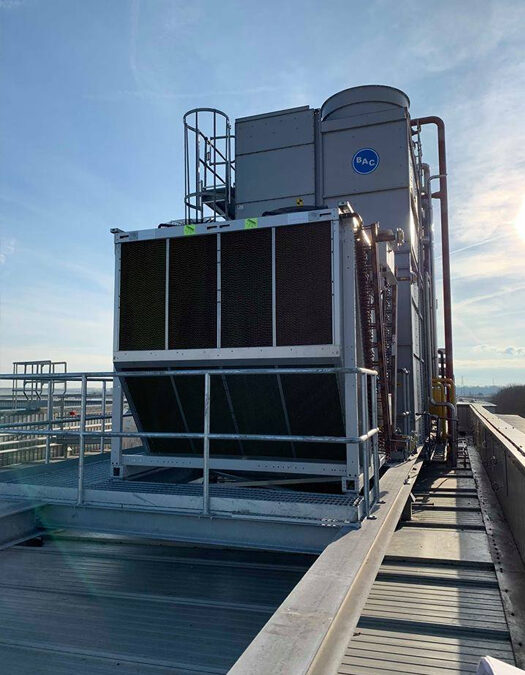
by Dave Jackson | Jul 3, 2024 | News
In the world of refrigeration, the choice of refrigerant plays a critical role in determining the efficiency, cost-effectiveness, and environmental impact of cooling systems. Among various options available, ammonia stands out as a particularly compelling choice. This blog post delves into why ammonia is a natural refrigerant and explores its benefits and challenges.
The Basics of Refrigerants
Before diving into why ammonia is favoured as a refrigerant, it’s essential to understand what refrigerants are and their role in cooling systems. Refrigerants are substances used in heat pumps and refrigeration cycles to absorb heat from one area and release it in another. They undergo phase changes from liquid to gas and back again, facilitating the transfer of heat.
What Makes Ammonia Special?
Natural Origin
One of the most significant advantages of ammonia is that it is a natural refrigerant. Unlike synthetic refrigerants such as chlorofluorocarbons (CFCs) or hydrofluorocarbons (HFCs), ammonia occurs naturally in the environment. This makes it an eco-friendly option with minimal environmental impact.
High Efficiency
Ammonia has excellent thermodynamic properties that make it highly efficient for use in refrigeration systems. Its high latent heat of vaporisation means it can absorb more heat per unit mass compared to many other refrigerants. This results in lower energy consumption for the same cooling effect, making ammonia-based systems more energy-efficient.
Low Global Warming Potential (GWP)
The global warming potential (GWP) of a substance measures its impact on global warming relative to carbon dioxide over a specific period. Ammonia has a GWP of zero, meaning it does not contribute to global warming when released into the atmosphere. In contrast, many synthetic refrigerants have high GWPs, making them less environmentally friendly.
Ozone Depletion Potential (ODP)
Ammonia also has an ozone depletion potential (ODP) of zero. ODP measures how much damage a substance can cause to the ozone layer compared to CFC-11 (a standard reference). Many older synthetic refrigerants have high ODP values, contributing significantly to ozone layer depletion.
Economic Benefits
Cost-Effective
Ammonia is relatively inexpensive compared to many synthetic refrigerants. Its natural abundance means that production costs are lower, which translates into cost savings for businesses that adopt ammonia-based refrigeration systems.
Longevity
Refrigeration systems using ammonia tend to have longer lifespans compared to those using synthetic alternatives. The robustness and durability of these systems mean fewer replacements and repairs over time, further reducing long-term costs.
Safety Considerations
While ammonia offers numerous benefits as a natural refrigerant, it’s essential to be aware of its safety considerations:
Toxicity
Ammonia is toxic when inhaled at high concentrations. Proper safety measures must be implemented in facilities using ammonia-based refrigeration systems to ensure worker safety.
Flammability
Although less flammable than some other industrial chemicals, ammonia can ignite under certain conditions. Adequate ventilation and leak detection systems are crucial for minimising fire risks.
Regulatory Landscape
The use of synthetic refrigerants has been increasingly restricted due to their environmental impact. International agreements like the Montreal Protocol aim to phase out substances with high ODPs and GWPs. As regulations tighten around synthetic options, the adoption of natural refrigerants like ammonia becomes more attractive both economically and legally.
Applications Across Industries
Ammonia’s unique properties make it suitable for various applications across different industries:
Food Processing
In food processing plants, maintaining precise temperature control is crucial for preserving product quality and safety. Ammonia’s efficiency makes it ideal for large-scale refrigeration needs in this sector.
Cold Storage Warehouses
Cold storage facilities rely on robust refrigeration systems capable of maintaining low temperatures consistently over extended periods. Ammonia’s durability ensures reliable performance in these demanding environments.
HVAC Systems
Heating, ventilation, and air conditioning (HVAC) systems also benefit from using ammonia as a natural refrigerant due to its efficiency and low environmental impact.
Future Prospects
As awareness grows about the environmental impacts associated with traditional synthetic refrigerants, industries are increasingly turning towards sustainable alternatives like ammonia. Research continues into improving safety measures while maximising efficiency gains offered by this versatile substance.
A Sustainable Choice
In conclusion, there are compelling reasons why ammonia is a natural refrigerant favored across various industries today: its eco-friendliness due largely because it’s naturally occurring; superior thermodynamic properties leading towards higher efficiencies; low GWP & ODP values ensuring minimal environmental harm; economic advantages stemming from lower costs & longer system lifespans; along with regulatory incentives pushing towards greener alternatives amidst tightening restrictions on harmful synthetics – all contribute towards making this choice not just viable but sustainable too!
By understanding these factors better we can appreciate how adopting such technologies helps us move closer toward achieving our broader sustainability goals while still meeting practical needs efficiently!
by Dave Jackson | Jun 17, 2024 | News
The commercial refrigeration system is a critical component in many businesses, particularly those in the food and beverage industry. From preserving perishable goods to chilling drinks, these systems play a pivotal role in ensuring that operations run smoothly and efficiently.
However, not all commercial refrigeration systems are created equal. There are various types designed to meet specific needs and requirements. This article will delve into the different types of commercial refrigeration systems available for business use.
Reach-In Refrigerators
Reach-in refrigerators are perhaps the most common type of commercial refrigeration systems found in many establishments. These units resemble residential fridges but are more powerful and have a larger storage capacity. They come in one, two, or three-door models, allowing for easy access to stored items.
Reach-in refrigerators are ideal for restaurants, cafes, or any establishment that requires quick and easy access to food items. They can be placed directly in the kitchen area for convenience. These units also come with adjustable shelving systems that allow you to customise your storage space according to your needs.
Walk-In Refrigerators
For businesses that require substantial storage space for perishable goods, walk-in refrigerators are an excellent option. As the name suggests, these commercial refrigeration systems are large enough for someone to walk into them.
Walk-in fridges are typically used by supermarkets, hotels, and large restaurants where bulk storage is necessary. They offer ample space for storing large quantities of food items at optimal temperatures. Additionally, they often come with shelving units that can be customised according to your specific storage needs.
Undercounter Refrigerators
Undercounter refrigerators offer a compact solution for businesses with limited space or those who need additional chilled storage close at hand. These commercial refrigeration systems fit neatly under most standard counters (hence their name), making them ideal for bars or small cafes where space may be at a premium.
Despite their compact size, undercounter refrigerators offer ample storage space and operate at the same temperature range as their larger counterparts. They are perfect for storing items that need to be accessed frequently, such as beverages or ingredients for cooking.
Display Refrigerators
Display refrigerators, also known as merchandising refrigerators, are designed to showcase products attractively while keeping them at the right temperature. These commercial refrigeration systems feature glass doors or open-front designs that allow customers to easily view and access the stored items.
These units are commonly used in grocery stores, convenience stores, and bakeries. They come in various sizes and styles, from countertop models to larger floor-standing units. Display refrigerators not only keep products fresh but also help boost sales by enticing customers with their visually appealing presentation.
Choosing the right commercial refrigeration system is crucial for any business in the food and beverage industry. The type of refrigerator you choose should depend on your specific needs regarding storage capacity, space availability, product visibility, and accessibility.
Whether it’s a reach-in refrigerator for easy access to ingredients in a restaurant kitchen, a walk-in fridge for bulk storage in a supermarket, an undercounter unit for space-saving purposes in a small cafe or bar, or a display refrigerator to showcase products attractively in a store – there’s a commercial refrigeration system designed to meet your business needs.
Remember that these systems are significant investments. Therefore it’s essential to consider factors like energy efficiency, durability, maintenance requirements and warranty when making your choice. With careful consideration and planning, you can find the perfect commercial refrigeration system that will serve your business well for many years to come.

by Seward | Apr 30, 2024 | News
The world of refrigerants has seen significant changes over the past few decades. These changes are primarily driven by environmental concerns, as some refrigerants have been found to contribute significantly to global warming and ozone layer depletion. One such refrigerant that has been under scrutiny is R422D. This blog post will delve into the R422D phase out, discussing why it’s happening, its implications, and potential alternatives for consumers.
Understanding the R422D Phase Out
R422D is a hydrofluorocarbon (HFC) refrigerant commonly used in air conditioning systems, commercial refrigeration, and heat pumps. It was introduced as a replacement for R22, a hydrochlorofluorocarbon (HCFC) that was phased out due to its high ozone depletion potential.
However, while R422D doesn’t deplete the ozone layer like its predecessor did, it still has a high global warming potential (GWP). This means that if released into the atmosphere, it can trap heat at a much higher rate than carbon dioxide, contributing significantly to climate change. As such, many countries have agreed to phase out or reduce their use of HFCs like R422D under the Kigali Amendment to the Montreal Protocol.
The Kigali Amendment mandates a gradual phase-down of HFCs with high GWP. For developed countries like the United States and those in the European Union, this process began in 2019. Developing countries will follow suit later on. By 2030, it’s expected that consumption of these substances will be reduced by about 80-85%.
Implications of the R422D Phase Out
The phasing out of R422D will have several implications for consumers and businesses alike. For one thing, as supplies become more limited due to reduced production, the cost of R422D is likely to increase. This could make maintenance and repairs of existing systems that use this refrigerant more expensive.
Moreover, as the phase-out progresses, it may become increasingly difficult to find service providers who are equipped and certified to handle R422D. This could potentially lead to longer wait times for repairs and maintenance.
Alternatives to R422D
With the impending R422D phase out, it’s important for consumers and businesses to start considering alternatives. Fortunately, several environmentally friendly refrigerants with lower GWP have been developed.
One such alternative is R448A, also known as Solstice N40. It’s a non-flammable HFC blend with a GWP of 1273, which is significantly lower than that of R422D. It’s suitable for use in new equipment as well as retrofitting existing systems.
Another option is R449A, or Opteon XP40. This refrigerant has a GWP of 1282 and offers excellent cooling performance and energy efficiency. It’s compatible with most types of lubricants, making it a good choice for retrofitting older systems.
Preparing for the Phase Out
The transition away from high-GWP refrigerants like R422D may seem daunting, but with careful planning and preparation, it can be managed smoothly. Here are a few steps you can take:
1. Evaluate your current equipment: Determine whether your existing systems can be retrofitted with alternative refrigerants or if they need to be replaced.
2. Consult with professionals: Talk to HVAC professionals about your options and what would work best for your specific needs.
3. Plan ahead: If you need to replace your equipment or retrofit your system, start planning now so you’re not caught off guard when the phase-out becomes more stringent. The R422D phase out is part of a global effort to reduce greenhouse gas emissions and combat climate change. While it may pose some challenges, it also presents an opportunity to transition to more sustainable and efficient refrigeration and air conditioning solutions. By staying informed and planning ahead, consumers and businesses can navigate this transition successfully.
by Seward | Apr 27, 2024 | News
Refrigeration systems are a vital part of numerous industries, from food processing to pharmaceuticals. They play a critical role in preserving perishable goods, maintaining the quality of products, and ensuring optimal operating conditions for specific processes.
One such system that has gained prominence over the years is the ammonia glycol refrigeration system. This article aims to shed light on how this system works and why it is preferred in various sectors.
Understanding the Basics: The Ammonia Glycol Refrigeration System
Before delving into the workings of an ammonia glycol refrigeration system, it’s essential to understand what it is. This system uses ammonia as a refrigerant and glycol as a secondary coolant. The combination of these two substances provides efficient cooling with minimal environmental impact.
Ammonia (NH3) has been used as a refrigerant since the 19th century due to its excellent thermodynamic properties. It has a high latent heat of evaporation, meaning it can absorb large amounts of heat when changing from liquid to gas. Additionally, ammonia is environmentally friendly as it does not contribute to ozone layer depletion or global warming.
Glycol, on the other hand, is used as an anti-freeze agent in the secondary loop of this refrigeration system. It helps maintain low temperatures without freezing and damaging equipment.
The Working Principle: How Does It Operate?
The operation of an ammonia glycol refrigeration system involves several stages:
1. Evaporation: The process begins with liquid ammonia flowing into the evaporator coil where it absorbs heat from its surroundings (the product or space that needs cooling) and evaporates into gas.
2. Compression: The gaseous ammonia then moves into a compressor where its pressure and temperature increase significantly.
3. Condensation: This high-pressure hot gas flows into the condenser, where it releases its heat to the cooling medium (usually water or air) and turns back into a liquid.
4. Expansion: The high-pressure liquid ammonia then passes through an expansion valve, reducing its pressure and temperature before it returns to the evaporator, and the cycle repeats.
The glycol loop is separate from the ammonia loop but works in tandem with it. Glycol absorbs heat from the area that needs cooling and transfers this heat to the evaporator, where ammonia absorbs it.
Why Choose an Ammonia Glycol Refrigeration System?
There are several reasons why industries prefer an ammonia glycol refrigeration system:
1. Efficiency: Ammonia has superior thermodynamic qualities that make it more efficient than other refrigerants. It can absorb and release more heat, resulting in lower operating costs.
2. Environmental Impact: Unlike some refrigerants, ammonia does not deplete the ozone layer or contribute to global warming.
3. Safety: Although ammonia is toxic in high concentrations, safety measures in modern systems ensure minimal risk of leaks. Moreover, because ammonia has a strong smell, leaks can be detected quickly.
4. Cost-Effective: Despite higher initial costs due to safety requirements, an ammonia glycol refrigeration system often proves more cost-effective in the long run due to its efficiency and low maintenance costs. Understanding how an ammonia glycol refrigeration system works helps appreciate its efficiency and environmental benefits. This system offers a viable solution for industries seeking effective cooling methods that align with sustainability goals. As technology continues to advance, we can expect further improvements in this field that will enhance efficiency while minimising environmental impact even further.
by Seward | Mar 26, 2024 | News
The world of refrigeration is vast, encompassing everything from the small refrigerator in your kitchen to the large-scale systems used in industries. One term that often surfaces in this context is ‘industrial refrigeration.’ But what exactly does this term mean? What is industrial refrigeration? This blog post aims to shed light on this concept, its importance, and its various applications.
Understanding Industrial Refrigeration
Industrial refrigeration refers to the process of cooling on a large scale, typically for commercial or industrial purposes. Unlike residential or commercial refrigeration which focuses on preserving food and beverages for human consumption, industrial refrigeration serves a broader range of applications. It involves cooling systems designed to maintain specific temperatures for various processes and products in industries such as food processing, pharmaceuticals, petrochemicals, and more.
The primary function of an industrial refrigeration system is to transfer heat from a place where it’s not wanted (like inside a factory) to a place where it doesn’t matter (like outside). This process requires complex machinery and technology that can handle high-capacity cooling loads.
Components of an Industrial Refrigeration System
An industrial refrigeration system consists of several key components. These include:
1. Compressor: The heart of any refrigeration system, the compressor’s role is to compress low-pressure gas into high-pressure gas.
2. Condenser: This component cools down the high-pressure gas from the compressor and transforms it into liquid form.
3. Expansion Valve: The expansion valve reduces pressure from the liquid refrigerant allowing it to evaporate while absorbing heat.
4. Evaporator: Here, the low-pressure liquid absorbs heat from its surroundings and evaporates back into gas form.
5. Refrigerant: This substance circulates throughout the system, changing states between liquid and gas while absorbing and releasing heat.
Applications of Industrial Refrigeration
Industrial refrigeration plays a crucial role in various sectors. Here are some key applications:
1. Food Processing: Industrial refrigeration is vital in the food processing industry, where it helps maintain the freshness and safety of products during processing, storage, and transportation. It’s used in meat packing plants, dairies, breweries, and frozen food production facilities.
2. Pharmaceuticals: The pharmaceutical industry relies heavily on industrial refrigeration to maintain specific temperatures for the safe storage of medicines and vaccines.
3. Petrochemicals: In petrochemical industries, industrial refrigeration is used to control temperatures during various processes like oil refining or gas liquefaction.
4. Cold Storage: Large warehouses and distribution centres use industrial refrigeration systems to store perishable goods at controlled temperatures.
The Importance of Industrial Refrigeration
Understanding what is industrial refrigeration also involves recognizing its importance in our daily lives. Without it, many industries would struggle to operate efficiently or safely. For instance, without proper cooling systems, food could spoil during processing or transportation leading to massive losses for businesses and potential health risks for consumers.
Similarly, without industrial refrigeration, pharmaceutical companies wouldn’t be able to store vaccines at the required temperatures – a fact that has been highlighted by the recent COVID-19 pandemic where vaccines need ultra-cold storage conditions.
In petrochemical industries, failure to control process temperatures could lead to dangerous situations such as explosions or fires. Therefore, industrial refrigeration isn’t just about efficiency; it’s also about safety.
So what is industrial refrigeration? It’s a critical process that keeps industries running smoothly and safely while ensuring the quality and safety of various products we use daily. From keeping our food fresh to ensuring our medicines are safe for use – the importance of industrial refrigeration cannot be overstated.
As technology continues to evolve, we can expect even more efficient and eco-friendly industrial refrigeration solutions in the future. These advancements will not only benefit industries but also contribute to a more sustainable world.

by Dave Jackson | Feb 1, 2024 | News
Understanding the HFCs Phase Out
High Global Warming Potential (GWP) hydrofluorocarbons (HFCs) have been a significant topic of discussion in recent years due to their environmental impact. As a result, there has been an increasing global push towards an HFC phase out. But what exactly are HFCs and why is there a need to phase them out? This blog post will delve into these questions and more, providing insights into the current state of the HFC phase out.
What are HFCs?
Hydrofluorocarbons (HFCs) are man-made chemicals that are primarily used in air conditioning, refrigeration, and foam-blowing applications. They were introduced as alternatives to ozone-depleting substances in the mid-1990s. However, while they do not deplete the ozone layer, they have a high Global Warming Potential (GWP), making them potent greenhouse gases. In fact, some HFCs can trap thousands of times more heat in the Earth’s atmosphere than carbon dioxide.
Why is There a Need for an HFC Phase Out?
The primary reason for an HFC phase out is their high GWP. The Intergovernmental Panel on Climate Change (IPCC) states that HFC emissions currently contribute to less than 1% of total global greenhouse gas emissions. However, without controls, it is projected that by 2050 this could increase to up to 19%. This is due to their increasing use in developing countries where demand for air conditioning and refrigeration is growing rapidly.
Moreover, unlike most other greenhouse gases which have lifetimes of hundreds or even thousands of years, most HFCs stay in the atmosphere for less than 15 years. This means that actions taken now to reduce HFC emissions can have rapid effects on reducing global warming.
The Global Push for HFC Phase Out
In 2016, more than 170 countries agreed to the Kigali Amendment to the Montreal Protocol, a landmark agreement that aims to reduce the production and consumption of HFCs by more than 80% over the next 30 years. The amendment is legally binding and includes specific targets and timetables for each country to phase down HFCs.
The United States, China, and the European Union – three of the world’s largest producers and consumers of HFCs – have all committed to this phase out. In fact, the EU has already begun implementing its own regulations to phase down HFCs, with a target to reduce them by 79% by 2030.
The Current State of the HFC Phase Out
Despite these commitments, progress towards an HFC phase out has been slow in some regions. In particular, developing countries face significant challenges in transitioning away from HFCs due to lack of access to affordable alternatives and technical expertise.
However, there are promising signs that progress is being made. For instance, several leading companies in the air conditioning and refrigeration industry have started developing products that use low-GWP alternatives to HFCs. Moreover, research into new technologies that could replace or reduce the use of HFCs is ongoing.
The Future of the HFC Phase Out
While there is still a long way to go before we can say that HFCS are being phased out completely, there is no doubt that momentum towards this goal is building. Governments around the world are beginning to implement policies aimed at reducing their use and industry leaders are investing in alternative technologies.
However, for an effective global phase out of HFCS, it will require not just political will but also cooperation between governments, industry stakeholders and consumers. It will also require significant investment in research and development as well as infrastructure upgrades.
Ultimately though, phasing out HFCS is a crucial step towards mitigating climate change. As such, it is a goal that we must strive towards if we are to secure a sustainable future for our planet.

by Seward | Dec 21, 2023 | News
The global community is increasingly becoming aware of the need to adopt sustainable practices in various aspects of life. One such area that has been receiving significant attention is the use of refrigerants in our homes and industries. Traditional refrigerants have been found to contribute significantly to global warming and ozone layer depletion. This has led to a shift towards eco-friendly refrigerants, which are more sustainable and less harmful to the environment. But what exactly are eco-friendly refrigerants? And how can we transition to using them?
Understanding Eco-Friendly Refrigerants
Eco-friendly refrigerants, also known as green or natural refrigerants, are substances used in cooling systems that have minimal impact on the environment. These substances work by absorbing heat from the environment and releasing it elsewhere, thus creating a cooling effect.
Traditional refrigerants like hydrofluorocarbons (HFCs), chlorofluorocarbons (CFCs), and hydrochlorofluorocarbons (HCFCs) have high Global Warming Potential (GWP) and Ozone Depletion Potential (ODP). This means they significantly contribute to global warming when released into the atmosphere and can deplete the ozone layer.
On the other hand, eco-friendly refrigerants have low GWP and ODP values. They include substances like ammonia, carbon dioxide, hydrocarbons like propane and isobutene, water, air, among others.
Benefits of Eco-Friendly Refrigerants
Transitioning to eco-friendly refrigerants comes with several benefits:
1. Reduced Environmental Impact: The most significant advantage of using green refrigerants is their minimal impact on the environment. They do not deplete the ozone layer nor contribute significantly to global warming.
2. Energy Efficiency: Some eco-friendly refrigerants like ammonia are more efficient than traditional ones. This means they require less energy for cooling, leading to reduced energy consumption and lower electricity bills.
3. Compliance with Regulations: Many countries are implementing regulations to phase out the use of harmful refrigerants. By transitioning to eco-friendly options, you ensure compliance with these regulations, avoiding penalties and fines.
Transitioning to Eco-Friendly Refrigerants
The process of transitioning to eco-friendly refrigerants involves several steps:
1. Assessment: The first step is to assess your current cooling systems and understand the type of refrigerant they use. This will help you determine the impact they have on the environment and the need for change.
2. Research: Next, research on various eco-friendly refrigerants available in the market. Understand their benefits, drawbacks, compatibility with your systems, and cost implications.
3. Consultation: It’s advisable to consult with a professional in HVAC systems during this transition. They can provide valuable advice on the best green refrigerant for your needs and guide you through the transition process.
4. Implementation: Once you’ve chosen an eco-friendly refrigerant, it’s time for implementation. This may involve retrofitting your existing systems or replacing them entirely with new ones that are compatible with green refrigerants.
5. Maintenance: After transitioning, regular maintenance of your cooling systems is crucial to ensure they continue operating efficiently and safely.
Transitioning to eco-friendly refrigerants is a crucial step towards sustainable living and environmental conservation. While it may seem like a daunting task, understanding what these substances are, their benefits, and how to make the transition makes it easier.
Remember that while individual efforts count, collective action has a more significant impact. Therefore, encourage others in your community or industry to also make this important shift towards sustainability by transitioning to eco-friendly refrigerants.

by Seward | Dec 8, 2023 | News
The commercial refrigeration system is a critical component in many businesses, particularly those in the food and beverage industry. From preserving perishable goods to chilling drinks, these systems play a pivotal role in ensuring that operations run smoothly and efficiently.
However, not all commercial refrigeration systems are created equal. There are various types designed to meet specific needs and requirements. This article will delve into the different types of commercial refrigeration systems available for business use.
Reach-In Refrigerators
Reach-in refrigerators are perhaps the most common type of commercial refrigeration systems found in many establishments. These units resemble residential fridges but are more powerful and have a larger storage capacity. They come in one, two, or three-door models, allowing for easy access to stored items.
Reach-in refrigerators are ideal for restaurants, cafes, or any establishment that requires quick and easy access to food items. They can be placed directly in the kitchen area for convenience. These units also come with adjustable shelving systems that allow you to customize your storage space according to your needs.
Walk-In Refrigerators
For businesses that require substantial storage space for perishable goods, walk-in refrigerators are an excellent option. As the name suggests, these commercial refrigeration systems are large enough for someone to walk into them.
Walk-in fridges are typically used by supermarkets, hotels, and large restaurants where bulk storage is necessary. They offer ample space for storing large quantities of food tems at optimal temperatures. Additionally, they often come with shelving units that can be customized according to your specific storage needs.
Undercounter Refrigerators
Undercounter refrigerators offer a compact solution for businesses with limited space or those who need additional chilled storage close at hand. These commercial refrigeration systems fit neatly under most standard counters (hence their name), making them ideal for bars or small cafes where space may be at a premium.
Despite their compact size, undercounter refrigerators offer ample storage space and operate at the same temperature range as their larger counterparts. They are perfect for storing items that need to be accessed frequently, such as beverages or ingredients for cooking.
Display Refrigerators
Display refrigerators, also known as merchandising refrigerators, are designed to showcase products attractively while keeping them at the right temperature. Thesecommercial refrigeration systems feature glass doors or open-front designs that allow customers to easily view and access the stored items.
These units are commonly used in grocery stores, convenience stores, and bakeries. They come in various sizes and styles, from countertop models to larger floor-standing units. Display refrigerators not only keep products fresh but also help boost sales by enticing customers with their visually appealing presentation.
Choosing the right commercial refrigeration system is crucial for any business in the food and beverage industry. The type of refrigerator you choose should depend on your specific needs regarding storage capacity, space availability, product visibility, and accessibility.
Whether it’s a reach-in refrigerator for easy access to ingredients in a restaurant kitchen, a walk-in fridge for bulk storage in a supermarket, an undercounter unit for space-saving purposes in a small cafe or bar, or a display refrigerator to showcase
products attractively in a store – there’s a commercial refrigeration system designed to meet your business needs.
Remember that these systems are significant investments. Therefore it’s essential to consider factors like energy efficiency, durability, maintenance requirements and warranty when making your choice. With careful consideration and planning, you can find the perfect commercial refrigeration system that will serve your business well for many years to come.

by Seward | Mar 10, 2023 | News
Seward Refrigeration Ltd are looking to recruit Industrial Refrigeration Engineers to join our dynamic team, based in the Midlands and around the M62 corridor. The role would involve servicing, maintenance and repair of industrial systems operating with Ammonia, C02, Hydrocarbons, and HFC refrigerants.
Location: Our head office is based in Trafford Park, Manchester.
About our Company:
Seward Refrigeration Ltd are one of the UK’s leading independent companies specialising in the design, installation, service and maintenance of industrial and commercial refrigeration systems. Operating all over the UK, with a wealth of experience held by its founders, directors and employees, the company’s activities are diverse and forward thinking, serving primarily industries which include food processing, cold storage, breweries and beverages, pharmaceuticals, ice cream and dairy and plastic extrusion, as well as chilled distribution centres.
Requirements:
City & Guilds 2079-11 (F-Gas & ODS) or CITB equivalent
City & Guilds 2078-2 (Ammonia) or CITB equivalent
City & Guilds 6187-21 (Hydrocarbons) would be an advantage.
You will be required to join our out of hour’s callout rota, which is approx. one week in every 12, and an element of working away from home occasionally will be necessary
The package – Competitive salary (depending on experience) + Company van (Crew cab) + overtime + Mobile phone + Pension contribution + Health Insurance + DIS benefit
If you are interested in joining a forward thinking company please contact David Nicholson (Service Director) – david@sewardrl.co.uk

by Seward | Jul 11, 2022 | News
Seward Refrigeration Ltd are looking to recruit Industrial Refrigeration Engineers to join our dynamic team, based in and around the M62 corridor. The role would involve servicing, maintenance and repair of industrial systems operating with Ammonia, C02, Hydrocarbons, and HFC refrigerants.
Location: Our head office is based in Trafford Park, Manchester, however you will be required to travel across the whole of the UK.
About our Company:
Seward Refrigeration Ltd are one of the UK’s leading independent companies specialising in the design, installation, service and maintenance of industrial and commercial refrigeration systems. Operating all over the UK, with a wealth of experience held by its founders, directors and employees, the company’s activities are diverse and forward thinking, serving primarily industries which include food processing, cold storage, breweries and beverages, pharmaceuticals, ice cream and dairy and plastic extrusion, as well as chilled distribution centres.
Requirements:
City & Guilds 2079-11 (F-Gas & ODS) or CITB equivalent
City & Guilds 2078-2 (Ammonia) or CITB equivalent
City & Guilds 6187-21 (Hydrocarbons) would be an advantage.
You will be required to join our out of hour’s callout rota, which is approx. one week in every 12, and an element of working away from home occasionally will be necessary
The package – Competitive salary (depending on experience) + Company van (Crew cab) + overtime + Mobile phone + Pension contribution + Health Insurance + DIS benefit
If you are interested in joining a forward thinking company please contact David Nicholson (Service Director) – david@sewardrl.co.uk
by Seward | Nov 10, 2021 | News
We are delighted to announce that David Nicholson, our Business Development Manager has been promoted to Service Director.
David joined the business in 2016 and is an essential member of our team. Prior to joining the business, David was service manager of JCI’s Wallasey branch for twelve years, and has over 21 year’s experience in service & maintenance management. Congratulations David, and we wish you the best of luck in your new role.
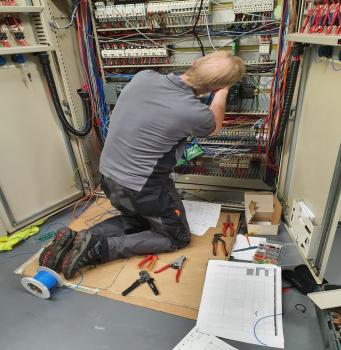
by Seward | Apr 14, 2021 | News
Recently two of our directors were involved in the commission of a brand-new PLC for a central ammonia glycol system at one of our customers sites. An electrical / software company replaced the old PLC, but before that our directors had meetings to ensure everything would go smoothly and to check the I/O list and discuss our recommendations for integrating different strategies to enhance the plants capabilities. Our input and recommendations will also allow additional variables to be viewed through the SCADA system that was being installed.
The installation itself was over a long day and into the evening but by 11.00pm the operation was back up and running. There were a couple of teething problems with the software, but these were resolved promptly by the software engineer. On start-up the plant was witnessed operating at both part load and full load conditions, and a detailed watch over the plant / SCADA system was carried out, checking the control for each plant item. The condenser set points were also lowered enabling the 2nd condenser to come online, to ensure the new control strategy was programmed correctly, ready for summer conditions.
The plant will now be monitored by the sites engineering team, and remotely via the SCADA system.
A great job done by all involved. Good preparation and attention to detail as always is key.
If you would like any help with your refrigeration plant needs, then please contact us at info@sewardrl.co.uk or call the office on 0161 724 0357.

by Seward | Mar 16, 2021 | News
For the 2nd time in a matter of weeks, our company logo has now made an appearance on live TV!
We have proudly been sponsoring Eccles RFC, a local amateur rugby team since 2007, and on Saturday our logo was amongst the many others placed in the stands during the ITV Six Nations game between England and France.
All amateur clubs across the UK were asked to send their jerseys to display in the stand, due to spectators being unable to attend games currently.
We thought this was a wonderful idea and glad that we could be part of the action along with Eccles RFC.

by Seward | Feb 11, 2021 | News
Investing in the future is important for any business and we are proud to say that we are doing just that. Meet Leon Valente – Leon joined the company on the Refrigeration Air Conditioning and Heat Pump (RACHP) Engineering Technician apprenticeship scheme over 18 months ago, and he is still enjoying all the challenges that the course and hands on working he undertakes gives him.
We believe in taking young talent and helping it grow alongside our business knowing that we are developing a skill set to future proof a specialised industry.
No two days will be the same for Leon, and under supervision he is gaining knowledge each day in the various fields that we work in; be it working in a Cold store, food production facility, dairy factory or even in a petrochemical environment as a few examples, these will no doubt give Leon a good introduction to his career path.
Leon says, “I really enjoy my time at work and learning with the team that support me and it’s great to be able to put into practice what I have learnt at college. I find that studying and then discussing projects on site with my colleagues is invaluable, the variety of locations that I am able to work in is, second to none and I feel empowered that when dealing with a challenging job I have a great team to guide me through… ”
At Seward Refrigeration Ltd, we are proud to champion the future stars of the industry.
#NAW2021
by Seward | Dec 18, 2020 | News
We are delighted to announce we have been awarded an installation contract to supply, install and fully commission two Transcritical C02 refrigeration systems.
The C02 packs will feed evaporators in chilled areas, blast chillers, and a freezer. Evaporator defrosting will be achieved via a warm glycol ring main reclaiming free heat from the C02 compressor racks. Ambient Fresh air ventilation / extract systems will also be installed to achieve positive pressure and wash down periods, with the fresh air cooling load taken care of by evaporators within the production area. The installation is for a new food processing facility in the South of England.
An energy efficient, environmentally friendly cooling solution. The project will commence in January and take in the region of six months to complete.

by Seward | Apr 21, 2020 | News
We are currently installing a number of commercial refrigeration systems for Kirstys new production facility in Yorkshire, which will soon be manufacturing a healthy range of ready meals.
Kirsty the founder of the business entered the Dragons Den in 2010 to launch her healthy, free from, range of ice cream and for the following three years worked with Duncan Bannatyne and Peter Jones.
Please click on the link below to read Kirstys story, which also shows a clip of her entering the Den to showcase her product back in 2010. https://www.kirstys.co.uk/our-story
by Seward | Dec 6, 2019 | News
Our contracts director is currently in India commissioning additional plant that has recently been installed for a Blue chip food manufacturing company.
Seward Refrigeration designed, supervised and commissioned the main plant installation back in 2014.
The upgrade consists of two economised screw compressors, a new evaporative condenser complete with compressor oil cooling circuit, pumps, and additional pipe work & valve stations to feed the process lines.
The additional plant has now increased the overall system capacity to over 4500KW.
by Seward | Nov 14, 2019 | News
It was great to be part of this prestigious installation project. Seward Refrigeration were awarded the installation contract to upgrade the existing ammonia / glycol plant feeding a new blast chilling tunnel and evaporators in chilled areas.
We also installed two Lennox heat pumps providing conditioned air to a ducted / air sock system in a 30m high bay warehouse.

by Seward | Nov 8, 2019 | News
In 2016, Seward Refrigeration designed and commissioned a two stage pumped ammonia system in South America.
The plant was installed by sites local refrigeration contractor and the system feeds a -20 automated Coldstore, 115m long x 20m wide x 32 metres high, including holding chill areas.
Our Contracts director is currently on site carrying out a maintenance visit on the plant, to ensure the system is operating at peak performance prior to their busy production schedule soon approaching.
by Seward | Nov 4, 2019 | News
Our technical consultant was in Belgium this week, for a world wide, Blue-chip food manufacturing company, to offer advice in enhancing the performance of their existing ammonia plant.
We have provided consultancy services since 2007 and have designed, project managed and commissioned large ammonia plant installations ranging up to 10,000kw in capacity in Europe, Argentina, Canada, China, Columbia, India and South Africa.

by Seward | Nov 4, 2019 | News
Seward Refrigeration Ltd, proud sponsors of the Manchester Storm ice hockey team, attended their league game vs Nottingham Panthers last night.

by Seward | Oct 14, 2019 | News
Some photographs kindly sent to us by Manchester Storm, showing the pre-match warm up session before last weekend’s game, with the team wearing their warm up jerseys displaying our company logo.
We wish the Manchester Storm the very best of luck for the season ahead.

by Seward | Jun 10, 2019 | News
Seward Refrigeration Ltd are proud sponsors of World Refrigeration Day.
The first annual World Refrigeration Day will take place on the 26th June 2019!
by Seward | Jun 7, 2019 | News
Two members of our contracts division are currently in China this week to see the progress so far for an installation upgrade to an existing system designed by Seward Refrigeration.
The upgrade consists of installing a larger surge vessel, additional compressor, evaporative condenser and larger pipe work, enabling the freezing tunnel to produce 18 tonne of product per hour from +90 deg c down to -18 deg c.
Our client will also be adding an additional compressor next year to feed a new spiral freezer.
by Seward | Jul 2, 2018 | News
Sam Simpson returns to Eccles RFC as Director of Rugby and Head Coach
Seward Refrigeration Ltd have been proud sponsors of Eccles RFC 1st team for many years now and we wish Sam the best of luck in his new role.
Please click on the link below for more information.
by Seward | Jun 25, 2018 | News
Seward Refrigeration Ltd are delighted to announce we’re sponsoring Manchester Storm’s new signing Rob Linsmayer for the coming season. The American forward has signed from French team, Rapaces de Gap, previously spending five seasons in the ECHL, with teams San Francisco Bulls and Idaho Steelheads. Seward Refrigeration wish Rob the very best of luck for the coming season.
by Seward | Jun 25, 2018 | News
Seward Refrigeration Ltd are delighted to announce, we’re sponsoring the Manchester Storm ice hockey team for the 2018/19 season. Manchester Storm had a very successful 2017/18 campaign, becoming the Patton conference champions and finishing 2nd in the Elite ice hockey league. We’re looking forward to the new season, supporting our local team, and wish the Manchester storm the very best of luck for the coming season. Please click on the link below for more information.
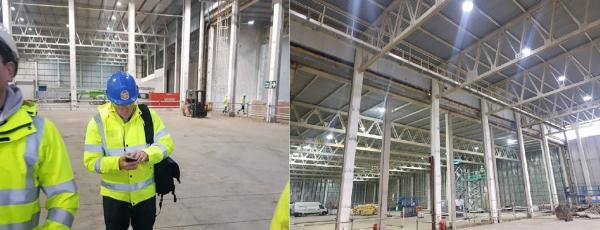
by Seward | Jan 17, 2018 | News
One of Seward Refrigeration’s current installation projects. The installation of the new 10,000kw Ammonia plant will begin next week. The Ammonia plant will comprise of 7 x Inverter driven screw compressors, 6 x evaporative condensers and 3 x surge vessels / pumping stations. The plant will provide 6100kw at -32°c feeding tunnel freezers and cold stores, 3100kw at -1°c feeding Pre coolers and 900kw at -6°c using secondary medium, Coolflow DTX feeding evaporators in process and chill areas.
by Seward | Nov 24, 2017 | News
Seward Refrigeration are delighted to announce, we have been awarded a prestigious installation contract to install a 10,100 KW pumped ammonia plant. The plant will provide 6100 KW at -32°C, 3100kw at -1°C and 900kw at -15°C for a glycol ring main using Cool flow DTX as the secondary medium. A fantastic achievement, well done to all involved.
by Seward | Sep 21, 2017 | News
A UK based company specialising in the production, processing, and supply of chilled poultry products awarded Seward Refrigeration Ltd the installation contract to install a new 2400kw Ammonia/glycol system. The plant was recently installed, ensuring optimum product outlet temperatures and minimal product weight loss.
by Seward | Sep 6, 2017 | News
Seward Refrigeration are delighted to announce that they have won their largest service and maintenance contract to date, with a 3 year contract to service and maintain the Industrial refrigeration plants at one of the UK’s best-selling yogurt brand factories. Well done to all involved.
by Seward | May 24, 2017 | News
Seward Refrigeration have designed a new pumped ammonia plant feeding a spiral freezer currently being installed for a food processing site In Canada. The project is being project managed by Seward Refrigeration over the coming months including commissioning on completion.
The spiral freezer is designed to freeze five metric tonnes of product per hour, with the product entering the spiral freezer at +90°C and is frozen down to -18°C. The spiral freezer is designed to operate continuously for a 21 day period and to achieve this there are five sequential defrosting ammonia evaporators each with a duty of 418 kW, operating with pumped ammonia at -32°C. Four of the coils are continually in use with the fifth coil defrosting with hot gas.
A split surge drum will provide -32/-5°C ammonia. Connected to the -32°C dry suction line, are two open flash economised screw compressors each operating at 3600 RPM and directly driven by 530 kW, 4100 volt high-efficiency inverter operated motors. The -5°C surge drum section offers liquid sub cooling and connection onto the new retrograde product drier and 0°C transfer tunnel. The compressor on this section is A screw compressor operating at 3600 RPM and directly driven by a 350 kW, 4100 volt high-efficiency inverter operated motor.
A high-efficiency condenser suitable for operation in the extreme winter conditions of Canada will be installed with a remote sump and condenser pump fitted within the compressor plantroom.
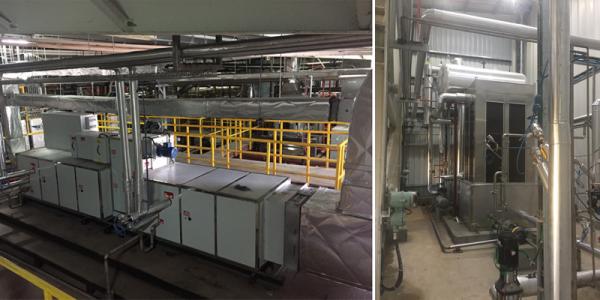
by Seward | Feb 1, 2017 | News
Seward Refrigeration have designed and commissioned a new water cooling system and chilled storage area in India for a worldwide blue chip food manufacturing company. The new plant has been added onto an existing 4000 kW pumped ammonia system, designed, project managed and commissioned by Seward refrigeration back in 2014. The new system includes a 400 kW flooded NH3 falling film water chiller, providing +1.6°C process water and +7°c water to a dehumidifier providing Pressurised air for a process area at +24°C / 20% relative humidity. The chilled storage area evaporators provide 150 kW of cooling duty, to maintain a temperature of +20°C at a relative humidity of 30% via another dehumidifier. The new and existing plant is automated and controlled via a SCADA system.
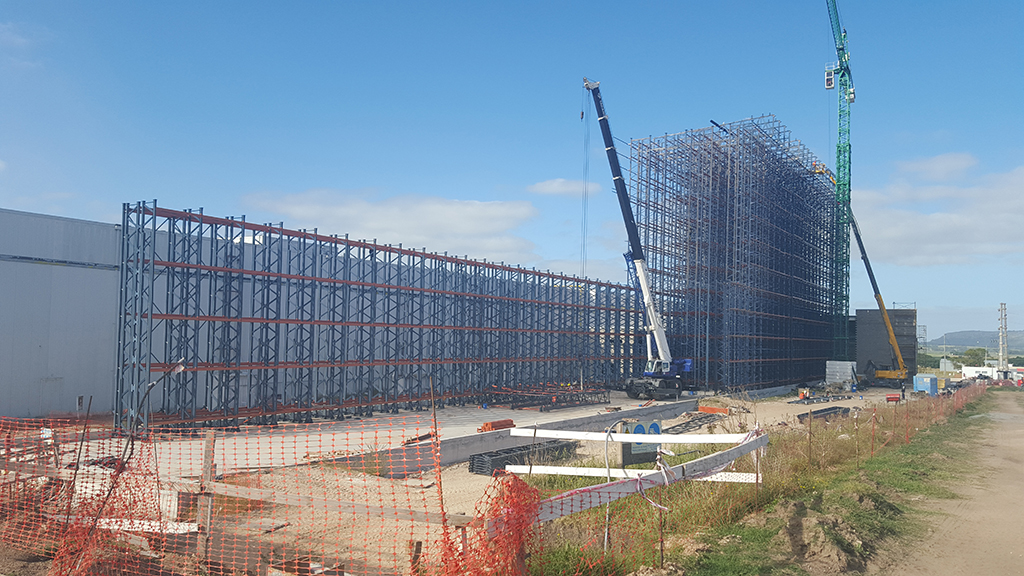
by Seward | Mar 24, 2016 | News
Seward Refrigeration Ltd have designed the refrigeration plant and are currently project managing the installation. The building consists of a 125m (Long) x 17m (wide) x 32m (High) Coldstore, transfer passage way and loading dock. The refrigeration plant being installed is a two stage pumped ammonia plant providing -30°c pumped ammonia to the Coldstore and -2°c pumped ammonia to the transfer passage way and loading dock coolers. Compressor oil cooling is via glycol providing underfloor heating for the Coldstore. Total plant duty is rated at 1500kw.
