
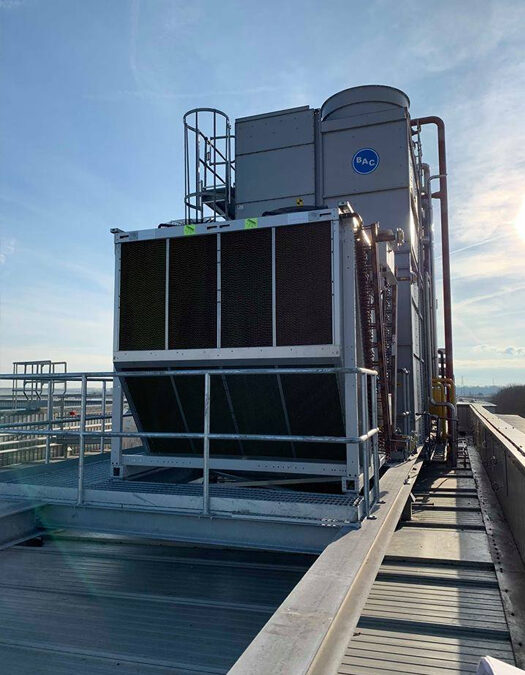
In the world of refrigeration, the choice of refrigerant plays a critical role in determining the efficiency, cost-effectiveness, and environmental impact of cooling systems. Among various options available, ammonia stands out as a particularly compelling choice. This blog post delves into why ammonia is a natural refrigerant and explores its benefits and challenges.
The Basics of Refrigerants
Before diving into why ammonia is favoured as a refrigerant, it’s essential to understand what refrigerants are and their role in cooling systems. Refrigerants are substances used in heat pumps and refrigeration cycles to absorb heat from one area and release it in another. They undergo phase changes from liquid to gas and back again, facilitating the transfer of heat.
What Makes Ammonia Special?
Natural Origin
One of the most significant advantages of ammonia is that it is a natural refrigerant. Unlike synthetic refrigerants such as chlorofluorocarbons (CFCs) or hydrofluorocarbons (HFCs), ammonia occurs naturally in the environment. This makes it an eco-friendly option with minimal environmental impact.
High Efficiency
Ammonia has excellent thermodynamic properties that make it highly efficient for use in refrigeration systems. Its high latent heat of vaporisation means it can absorb more heat per unit mass compared to many other refrigerants. This results in lower energy consumption for the same cooling effect, making ammonia-based systems more energy-efficient.
Low Global Warming Potential (GWP)
The global warming potential (GWP) of a substance measures its impact on global warming relative to carbon dioxide over a specific period. Ammonia has a GWP of zero, meaning it does not contribute to global warming when released into the atmosphere. In contrast, many synthetic refrigerants have high GWPs, making them less environmentally friendly.
Ozone Depletion Potential (ODP)
Ammonia also has an ozone depletion potential (ODP) of zero. ODP measures how much damage a substance can cause to the ozone layer compared to CFC-11 (a standard reference). Many older synthetic refrigerants have high ODP values, contributing significantly to ozone layer depletion.
Economic Benefits
Cost-Effective
Ammonia is relatively inexpensive compared to many synthetic refrigerants. Its natural abundance means that production costs are lower, which translates into cost savings for businesses that adopt ammonia-based refrigeration systems.
Longevity
Refrigeration systems using ammonia tend to have longer lifespans compared to those using synthetic alternatives. The robustness and durability of these systems mean fewer replacements and repairs over time, further reducing long-term costs.
Safety Considerations
While ammonia offers numerous benefits as a natural refrigerant, it’s essential to be aware of its safety considerations:
Toxicity
Ammonia is toxic when inhaled at high concentrations. Proper safety measures must be implemented in facilities using ammonia-based refrigeration systems to ensure worker safety.
Flammability
Although less flammable than some other industrial chemicals, ammonia can ignite under certain conditions. Adequate ventilation and leak detection systems are crucial for minimising fire risks.
Regulatory Landscape
The use of synthetic refrigerants has been increasingly restricted due to their environmental impact. International agreements like the Montreal Protocol aim to phase out substances with high ODPs and GWPs. As regulations tighten around synthetic options, the adoption of natural refrigerants like ammonia becomes more attractive both economically and legally.
Applications Across Industries
Ammonia’s unique properties make it suitable for various applications across different industries:
Food Processing
In food processing plants, maintaining precise temperature control is crucial for preserving product quality and safety. Ammonia’s efficiency makes it ideal for large-scale refrigeration needs in this sector.
Cold Storage Warehouses
Cold storage facilities rely on robust refrigeration systems capable of maintaining low temperatures consistently over extended periods. Ammonia’s durability ensures reliable performance in these demanding environments.
HVAC Systems
Heating, ventilation, and air conditioning (HVAC) systems also benefit from using ammonia as a natural refrigerant due to its efficiency and low environmental impact.
Future Prospects
As awareness grows about the environmental impacts associated with traditional synthetic refrigerants, industries are increasingly turning towards sustainable alternatives like ammonia. Research continues into improving safety measures while maximising efficiency gains offered by this versatile substance.
A Sustainable Choice
In conclusion, there are compelling reasons why ammonia is a natural refrigerant favored across various industries today: its eco-friendliness due largely because it’s naturally occurring; superior thermodynamic properties leading towards higher efficiencies; low GWP & ODP values ensuring minimal environmental harm; economic advantages stemming from lower costs & longer system lifespans; along with regulatory incentives pushing towards greener alternatives amidst tightening restrictions on harmful synthetics – all contribute towards making this choice not just viable but sustainable too!
By understanding these factors better we can appreciate how adopting such technologies helps us move closer toward achieving our broader sustainability goals while still meeting practical needs efficiently!